
Readers searching for finished dystopian sci fi book series usually learned the hard way after investing hundreds of hours into an epic trilogy or quartet only to hit an abandoned cliffhanger. If you want high stakes speculation where every political conspiracy, survival mystery, and character arc actually reaches a planned final page, start with The Silo Trilogy, The MaddAddam Trilogy, or The Broken Earth Trilogy.
While building our main ranking of the 10 best dystopian sci fi novels, it became obvious that incomplete sagas and stalled release schedules frustrate adult readers more than almost any narrative flaw. Every multi book world listed below is strictly completed from first chapter to final epilogue, paired with honest pacing critiques and upfront ending verdicts.
Quick Filter: Pick Your Completed World
- Bunker Mysteries, Biopunk, and Botanical Collapse: The Silo Trilogy, The MaddAddam Trilogy, The Rampart Trilogy
- Classic Cyberpunk and Digital Noir Trilogies: The Sprawl Trilogy, The Takeshi Kovacs Trilogy, The Space Between Worlds Duology
- Sweeping Pandemic and Ecological Epics: The Broken Earth Trilogy, The Passage Trilogy, The Road to Nowhere Trilogy
| Series and Author | Subgenre | Books and Length | Pacing Profile | Ending Status |
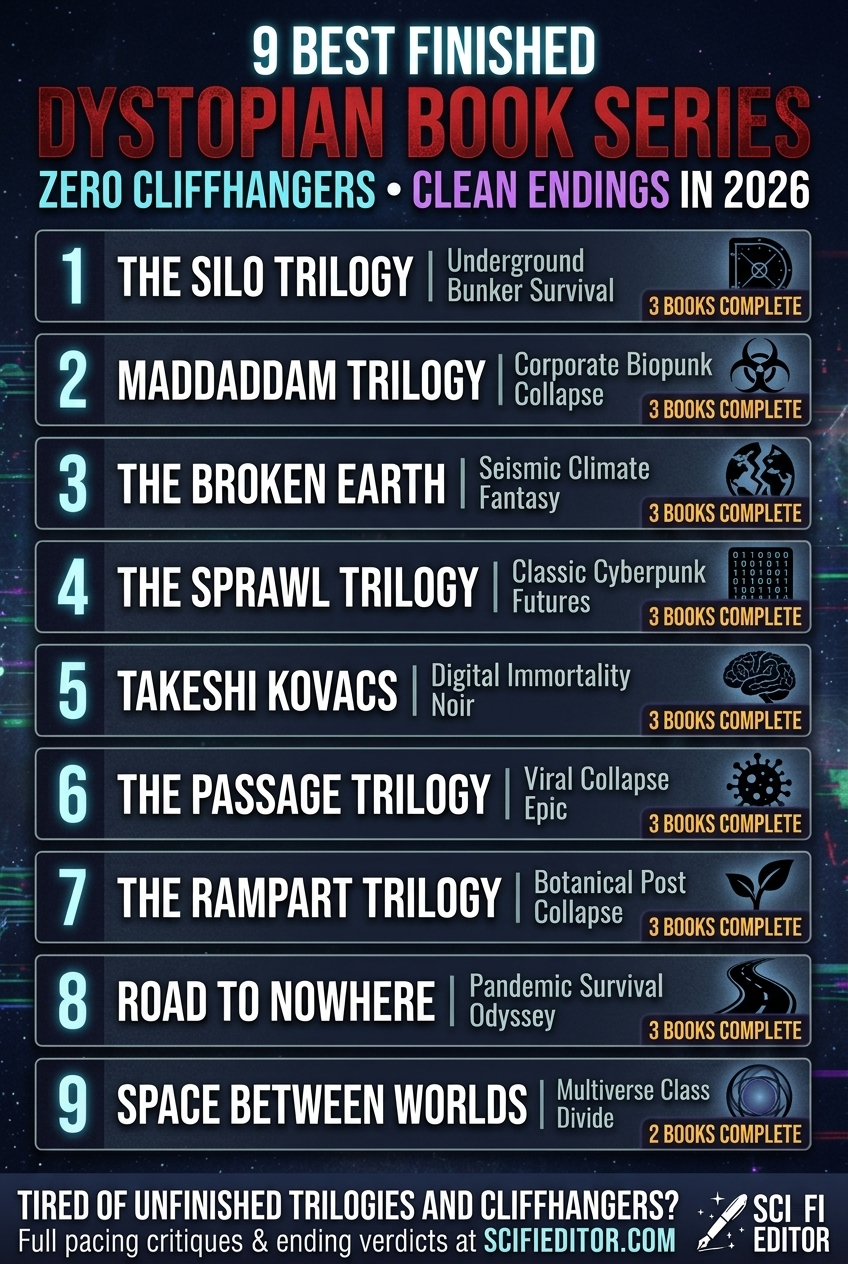
| The Silo Trilogy (Hugh Howey) | Underground Bunker Survival | 3 Books (Complete) | Tight Mystery Hook | Complete Finale (Dust) |
| The MaddAddam Trilogy (Margaret Atwood) | Corporate Biopunk Collapse | 3 Books (Complete) | Layered Dual Timeline | Complete Finale (MaddAddam) |
| The Broken Earth Trilogy (N. K. Jemisin) | Seismic Climate Dystopia | 3 Books (Complete) | Dense Atmospheric Epic | Complete Finale (The Stone Sky) |
| The Sprawl Trilogy (William Gibson) | Classic Corporate Cyberpunk | 3 Books (Complete) | Kinetic Noir Prose | Complete Finale (Mona Lisa Overdrive) |
| The Takeshi Kovacs Trilogy (Richard K. Morgan) | Immortality Tech Cyberpunk | 3 Books (Complete) | Hardboiled Action | Complete Finale (Woken Furies) |
| The Passage Trilogy (Justin Cronin) | Viral Collapse Epic | 3 Books (Complete) | Sweeping Generational | Complete Finale (The City of Mirrors) |
| The Rampart Trilogy (M. R. Carey) | Botanical Post Collapse | 3 Books (Complete) | Brisk Adventure Voice | Complete Finale (The Fall of Koli) |
| The Road to Nowhere Trilogy (Meg Elison) | Pandemic Survival Odyssey | 3 Books (Complete) | Gritty Road Survival | Complete Finale (The Book of Flora) |
| The Space Between Worlds Duology (Micaiah Johnson) | Multiverse Class Divide | 2 Books (Complete) | Sharp Character Thriller | Complete Finale (Those Beyond the Wall) |
1. The Silo Trilogy by Hugh Howey (2011 to 2013)
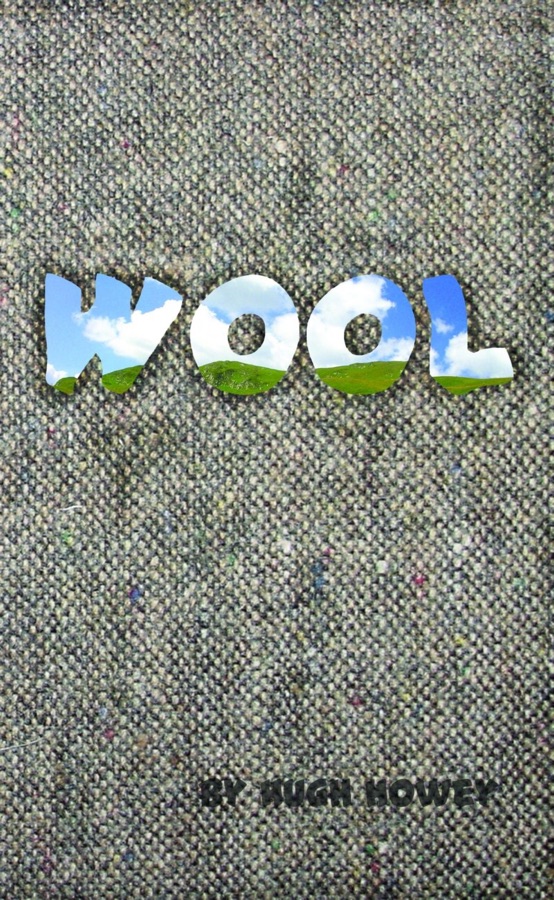
Few modern dystopias hook readers within thirty pages like Hugh Howey’s subterranean survival mystery. Starting with Wool and continuing through Shift and Dust, this complete trilogy turns a single claustrophobic concrete cylinder into one of the tightest puzzle box narratives in contemporary science fiction.
- Books in Series: Wool (2011), Shift (2013), and Dust (2013).
- The Premise: Thousands of survivors live deep beneath a poisoned surface inside an underground silo governed by strict secrecy, where questioning the history of the facility sends citizens out the airlock to clean exterior camera sensors before dying.
- Pacing and Editorial Critique: Book 1 moves at breakneck thriller speed because it began as tight serialized chapters. Book 2 shifts backward in time to explain the architects behind the apocalypse, slowing the pace briefly before Book 3 unites every timeline into a breathless sprint toward freedom.
- Ending Verdict: 100% complete across 3 books. While Howey has discussed future spinoff books set in Silo 40, Dust resolves every question about Silo 18, the founders, and the survivors’ ultimate escape cleanly.
2. The MaddAddam Trilogy by Margaret Atwood (2003 to 2013)
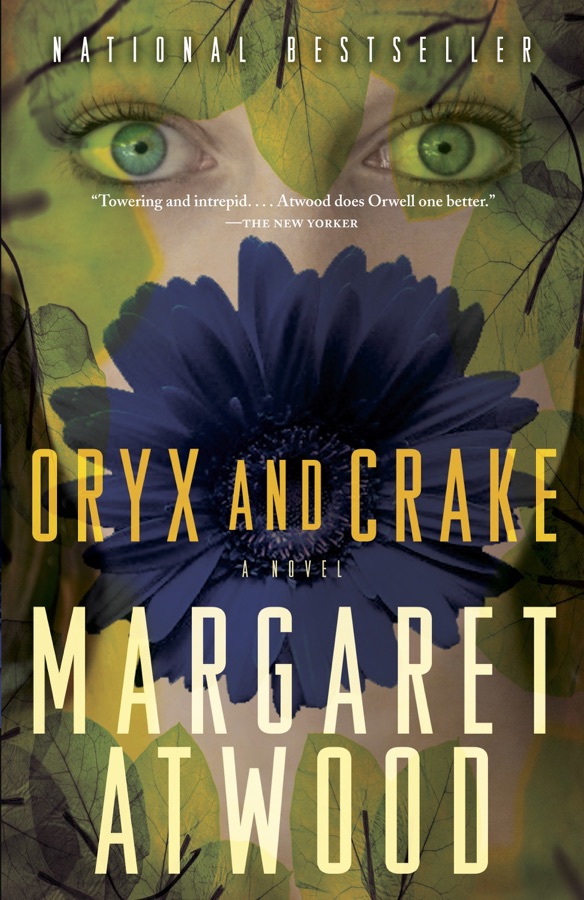
Margaret Atwood’s speculative masterpiece trades simple political tyranny for reckless corporate bioengineering. Across Oryx and Crake, The Year of the Flood, and MaddAddam, she examines how unchecked privatization and gene splicing destroy industrial civilization from the inside out.
- Books in Series: Oryx and Crake (2003), The Year of the Flood (2009), and MaddAddam (2013).
- The Premise: After a lab engineered plague wipes out most of humanity, scattered survivors contend with genetically spliced predators and a gentle engineered race called the Crakers while uncovering the shared tragedy linking two childhood friends.
- Pacing and Editorial Critique: Books 1 and 2 cover overlapping timelines from starkly different social strata, comparing walled biotech compounds against underground ecological cults. That structural overlap occasionally slows momentum in Book 2 before paying off powerfully in the unified final volume.
- Ending Verdict: 100% complete across 3 books. Every mystery left dangling on the final page of Oryx and Crake reaches thoughtful, poignant closure in MaddAddam.
3. The Broken Earth Trilogy by N. K. Jemisin (2015 to 2017)
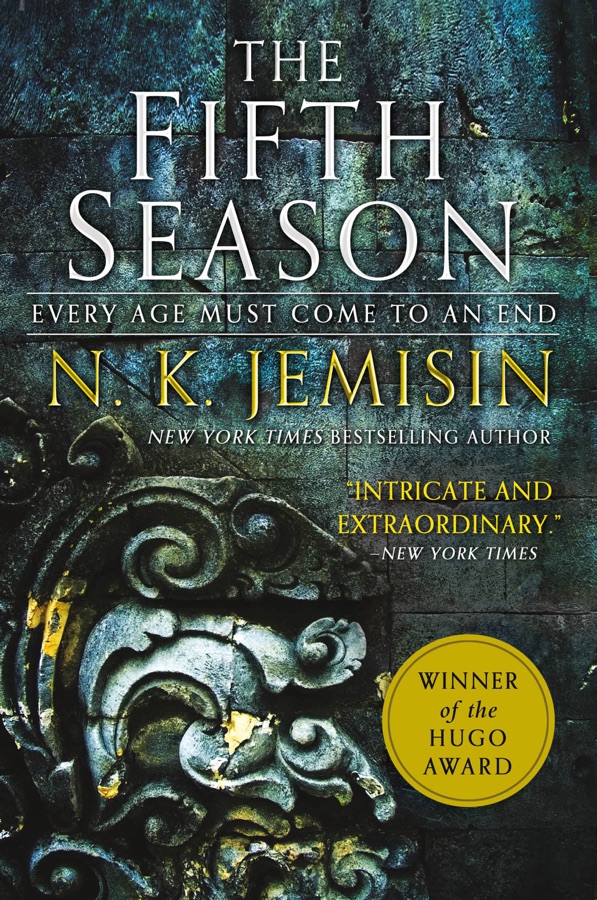
Winner of three consecutive Hugo Awards for Best Novel, The Broken Earth Trilogy proves a dystopian series can achieve literary greatness while sticking its landing. N. K. Jemisin constructs a supercontinent plagued by apocalyptic volcanic winters and a rigid caste system that weaponizes people born with seismic magic.
- Books in Series: The Fifth Season (2015), The Obelisk Gate (2016), and The Stone Sky (2017).
- The Premise: Following a devastating tectonic fracture designed to plunge the world into centuries of ash, a grieving mother named Essun crosses a dying continent to rescue her abducted daughter while uncovering why Earth itself wants humanity extinguished.
- Pacing and Editorial Critique: Book 1 deliberately opens with an unfamiliar second person narrative voice that rewards patient adult readers by chapter three. Book 2 tightens the geopolitical focus inside subterranean communities before Book 3 unleashes massive geological sci fi revelations.
- Ending Verdict: 100% complete across 3 books. The Stone Sky answers the deepest scientific and emotional questions behind the Fifth Seasons with an unforgettable final confrontation.
4. The Sprawl Trilogy by William Gibson (1984 to 1988)
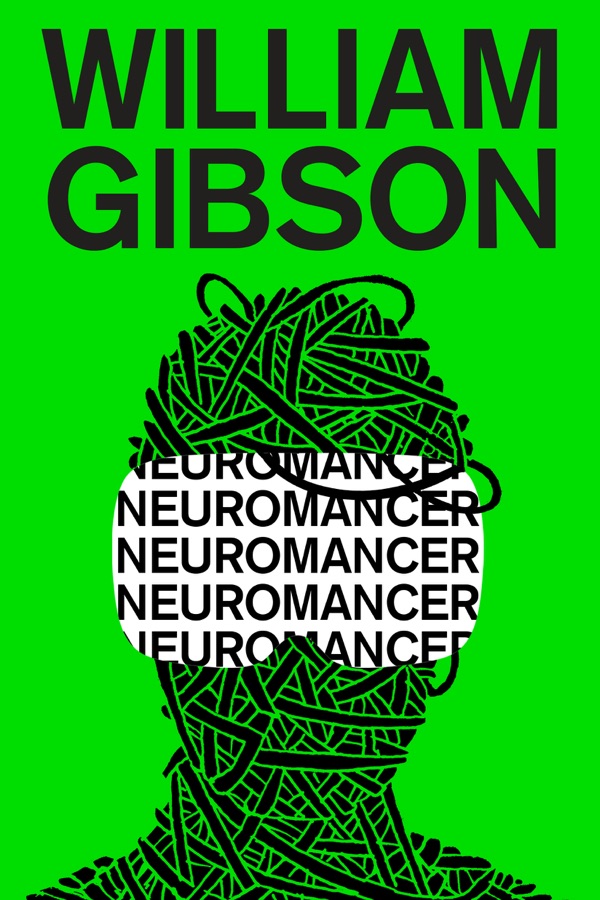
Before modern writers started inventing metaverse slang, William Gibson laid the blueprint for corporate cyberpunk dystopias in The Sprawl Trilogy. Beginning with Neuromancer and closing with Mona Lisa Overdrive, this landmark triptych portrays a bleak future ruled by orbital oligarchs, artificial intelligences, and burned out console cowboys.
- Books in Series: Neuromancer (1984), Count Zero (1986), and Mona Lisa Overdrive (1988).
- The Premise: Across Chiba City and the sprawling urban corridor of the American East Coast, washed up hackers, corporate extraction specialists, and media idols become pawns in a vast struggle by nascent artificial intelligences seeking transcendence in cyberspace.
- Pacing and Editorial Critique: Gibson refuses to hold the reader’s hand with glossary dumps, plunging straight into dense neon slang and razor tight heist plotting. Once you adjust to the prose rhythm in Neuromancer, the trilogy glides smoothly across intersecting criminal capers.
- Ending Verdict: 100% complete across 3 books. Each volume works as a gritty heist narrative on its own while weaving together into a definitive conclusion in Mona Lisa Overdrive.
5. The Takeshi Kovacs Trilogy by Richard K. Morgan (2002 to 2005)
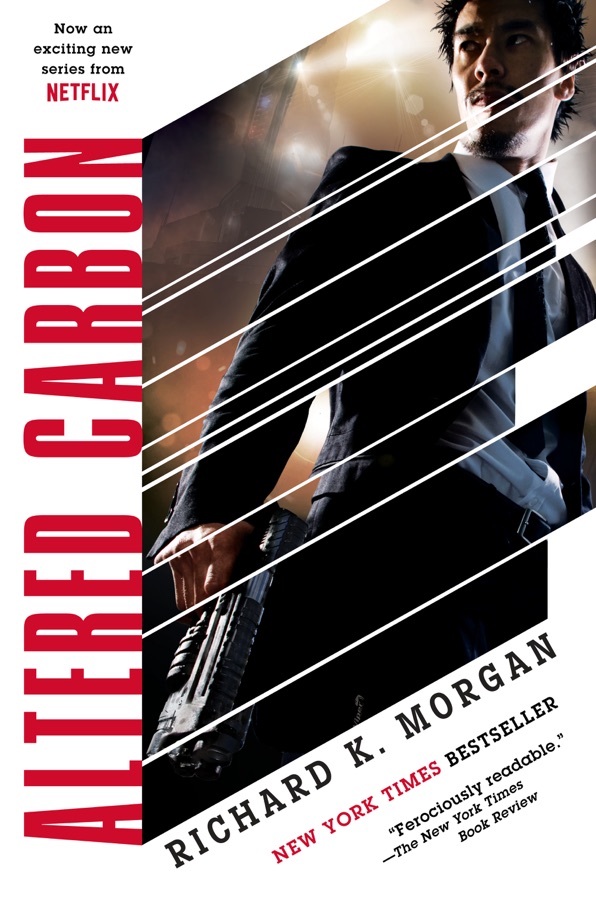
If your taste leans toward ruthless hardboiled noir rather than quiet literary dread, Richard K. Morgan delivers pure adult adrenaline. Altered Carbon, Broken Angels, and Woken Furies weaponize digital human consciousness to imagine an extreme hypercapitalist future where billionaires achieve immortality while the poor lose even their bodies.
- Books in Series: Altered Carbon (2002), Broken Angels (2003), and Woken Furies (2005).
- The Premise: Former elite colonial enforcer Takeshi Kovacs is repeatedly downloaded into fresh synthetic or cloned bodies across distant corporate worlds to solve murder conspiracies, salvage alien war tech, and confront the authoritarian Protectorate.
- Pacing and Editorial Critique: Unapologetically violent, fast paced, and cynical. Book 1 plays like an electric cyberpunk detective mystery, Book 2 pivots into gritty military salvage fiction, and Book 3 returns Kovacs to his dystopian homeworld Harlan’s World for a ferocious reckoning.
- Ending Verdict: 100% complete across 3 books. Woken Furies brings Kovacs’s personal vendetta and political rebellion to a fierce, conclusive ending with no cliffhangers left hanging.
6. The Passage Trilogy by Justin Cronin (2010 to 2016)
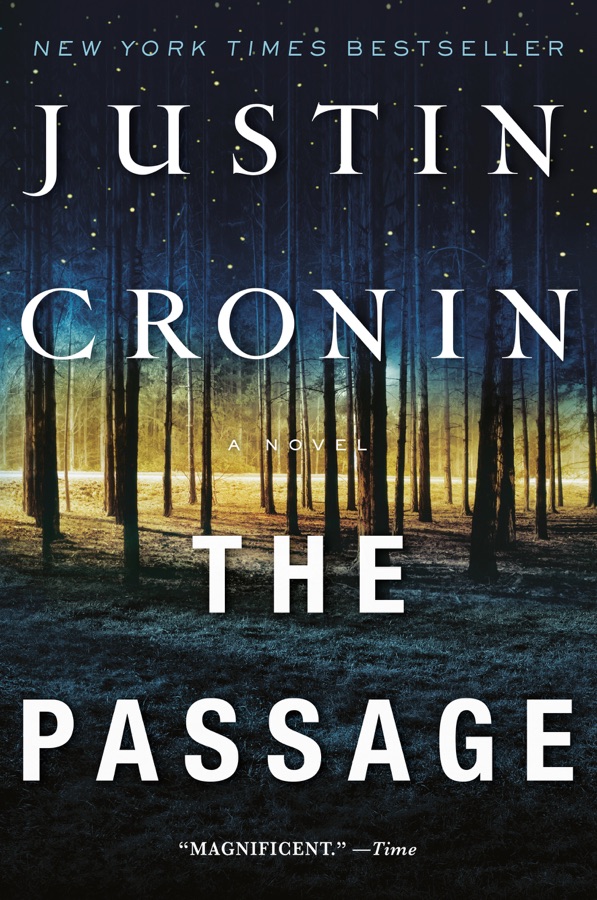
Very few multi thousand page apocalyptic sagas manage to maintain narrative discipline across every installment. Justin Cronin achieves that rare feat in The Passage Trilogy, beginning with a covert military medical experiment gone wrong and spanning a century of fortified desert survival.
- Books in Series: The Passage (2010), The Twelve (2012), and The City of Mirrors (2016).
- The Premise: When a Pentagon virus project turns twelve death row inmates into relentless nocturnal predators, civilization collapses within weeks, leaving a young orphan girl named Amy and small walled colonies fighting for humanity’s future a hundred years later.
- Pacing and Editorial Critique: Be ready for massive novel lengths and sweeping ensemble world building. Book 1 opens like an explosive thriller before shifting seamlessly ninety years forward, while Book 3 commits substantial pages to exploring the origin of Patient Zero before the final war.
- Ending Verdict: 100% complete across 3 books. Cronin wraps up every colony thread, character sacrifice, and viral mystery cleanly in The City of Mirrors.
7. The Rampart Trilogy by M. R. Carey (2020 to 2021)
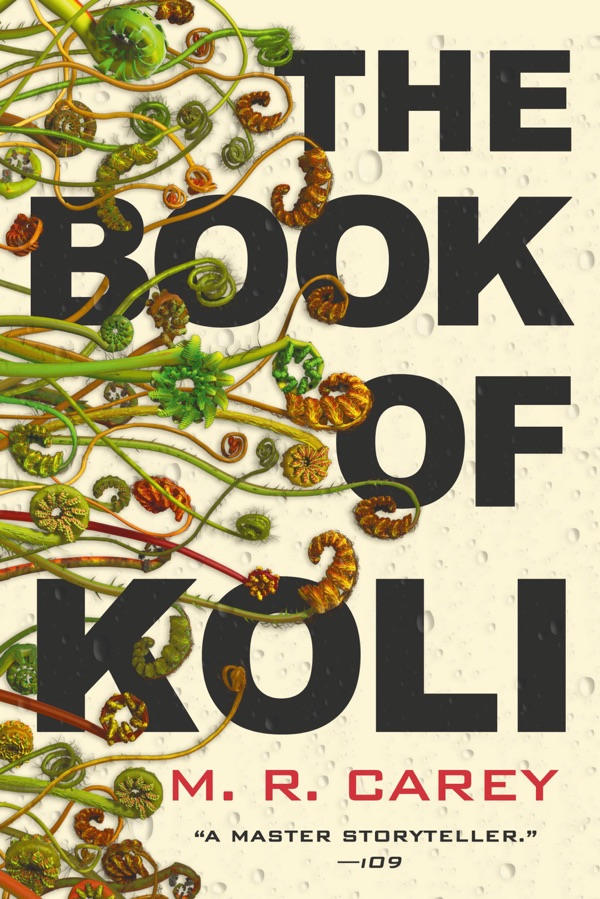
Published entirely within an eighteen month window so readers never had to endure painful delays, The Rampart Trilogy imagines a startling post collapse Britain conquered not by raiders, but by aggressive engineered plants. M. R. Carey pairs inventive bioengineered ecology with one of the most memorable young narrators in modern dystopian fiction.
- Books in Series: The Book of Koli (2020), The Trials of Koli (2020), and The Fall of Koli (2021).
- The Premise: In a future English village surrounded by carnivorous trees, young Koli steals a piece of ancient intelligent music tech and gets exiled into the lethal wilderness alongside a sarcastic pre collapse AI companion.
- Pacing and Editorial Critique: Told in Koli’s phonetic, lively vernacular, the voice takes two chapters to settle into and then becomes completely irresistible. Every book moves swiftly from desperate road encounters to escalating revelations about lost automated ruins.
- Ending Verdict: 100% complete across 3 books. The Fall of Koli concludes the expedition, resolves the fate of the surviving villages, and closes Koli’s arc with earned emotional weight.
8. The Road to Nowhere Trilogy by Meg Elison (2014 to 2018)
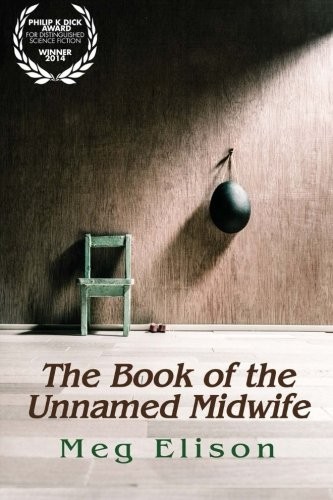
Winner of the Philip K. Dick Award with its debut installment, Meg Elison’s The Road to Nowhere Trilogy strips away cozy survival myths to show the brutal reality of biological collapse. Each volume widens the geographic and philosophical lens as scattered survivors rebuild society across shattered North America.
- Books in Series: The Book of the Unnamed Midwife (2014), The Book of Etta (2017), and The Book of Flora (2018).
- The Premise: After a ferocious plague kills most of humanity and turns childbirth deadly for survivors, a wandering midwife risks everything to preserve medical knowledge and freedom before later generations fight oppressive warlords.
- Pacing and Editorial Critique: Book 1 reads like a visceral, propulsive survival diary where danger lurks in every abandoned town. Books 2 and 3 zoom forward across decades, trading frantic scavenging for complex generational debates over bodily autonomy, memory, and community law.
- Ending Verdict: 100% complete across 3 books. The Book of Flora finishes the trilogy’s overarching social journey with clear, grounded resolution.
9. The Space Between Worlds Duology by Micaiah Johnson (2020 to 2024)
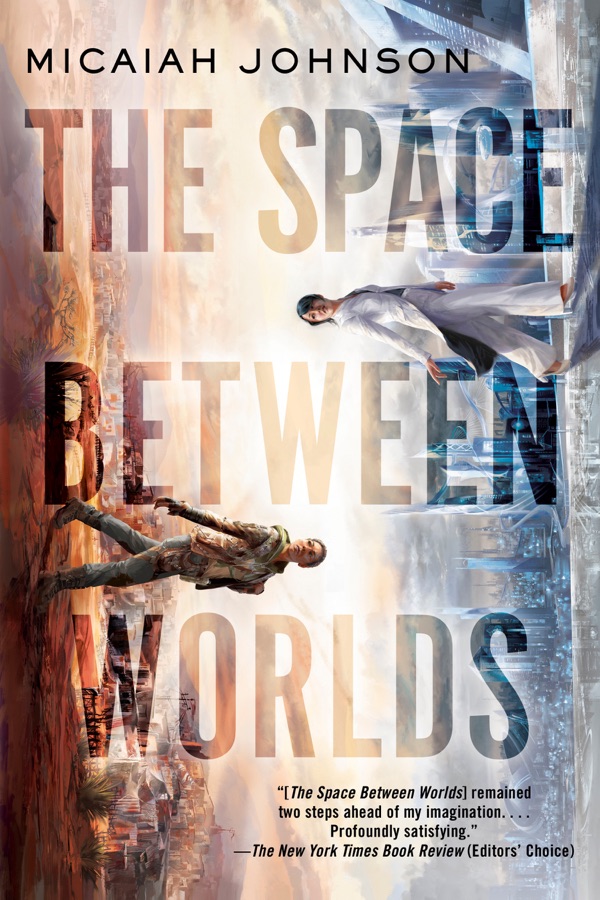
Not every finished speculative world requires committing to two thousand pages. Micaiah Johnson delivers a razor sharp two book dystopian universe that explores how wealthy corporate dome cities exploit wasteland labor across parallel Earths.
- Books in Series: The Space Between Worlds (2020) and Those Beyond the Wall (2024).
- The Premise: Because multiverse travel kills anyone whose parallel self still lives on the destination Earth, walled Wiley City recruits impoverished wasteland survivor Cara, whose alternates have perished across almost every world, to run dangerous dimension hops.
- Pacing and Editorial Critique: Fast, tightly plotted, and completely free of middle book bloat. Book 1 delivers an intricate corporate espionage thriller, while Book 2 shifts viewpoint to Ashtown’s perspective years later with gripping revolutionary urgency.
- Ending Verdict: 100% complete across 2 books. Both Cara’s personal mystery and Ashtown’s wider conflict against Wiley City reach clean, satisfying closure.
Frequently Asked Questions
What are the best completed dystopian book series?
The best finished dystopian sci fi book series for adult readers are The Silo Trilogy by Hugh Howey, The MaddAddam Trilogy by Margaret Atwood, and The Broken Earth Trilogy by N. K. Jemisin. All three series deliver decisive finales in Book 3 with zero dangling cancellation cliffhangers.
What is the difference between dystopian and post apocalyptic fiction?
Dystopian fiction focuses on an oppressive, tightly controlled society that appears orderly on the surface while crushing individual freedom. Post apocalyptic fiction focuses on survival and rebuilding after war, plague, or ecological disaster destroys modern civilization, though titles like Wool and The Passage bridge both subgenres.
What are finished adult dystopian sci fi series without YA tropes?
Completed adult series free of teen romance triangles include The Takeshi Kovacs Trilogy by Richard K. Morgan, The Sprawl Trilogy by William Gibson, and The Road to Nowhere Trilogy by Meg Elison. You can also browse standalone classics alongside completed sagas in our main guide to the 10 best dystopian sci fi novels.
Is the Red Rising book series completely finished yet?
The original Red Rising trilogy ending with Morning Star forms a complete three book story arc with clean closure. However, the broader seven book saga remains ongoing while readers await the seventh installment, Red God, expected in 2027.