
Most lists of the best dystopian sci fi novels and dystopian sci fi books read like a high school syllabus copied from an automated search summary. They hand you 1984, Brave New World, and Fahrenheit 451 as if nothing worth reading has been published in the last seventy years, and they never warn you when a modern series stalls out on an unresolved cliffhanger.
Those twentieth century pillars earned their reputation, yet modern adult readers searching for the best dystopian sci fi books usually want tighter pacing, richer character stakes, and speculative worlds built on climate collapse, corporate biotech, and surveillance algorithms. As an editor who evaluates speculative manuscripts every week, I curated the 10 strongest dystopian science fiction books across every major subgenre, complete with honest pacing critiques and upfront ending verdicts.
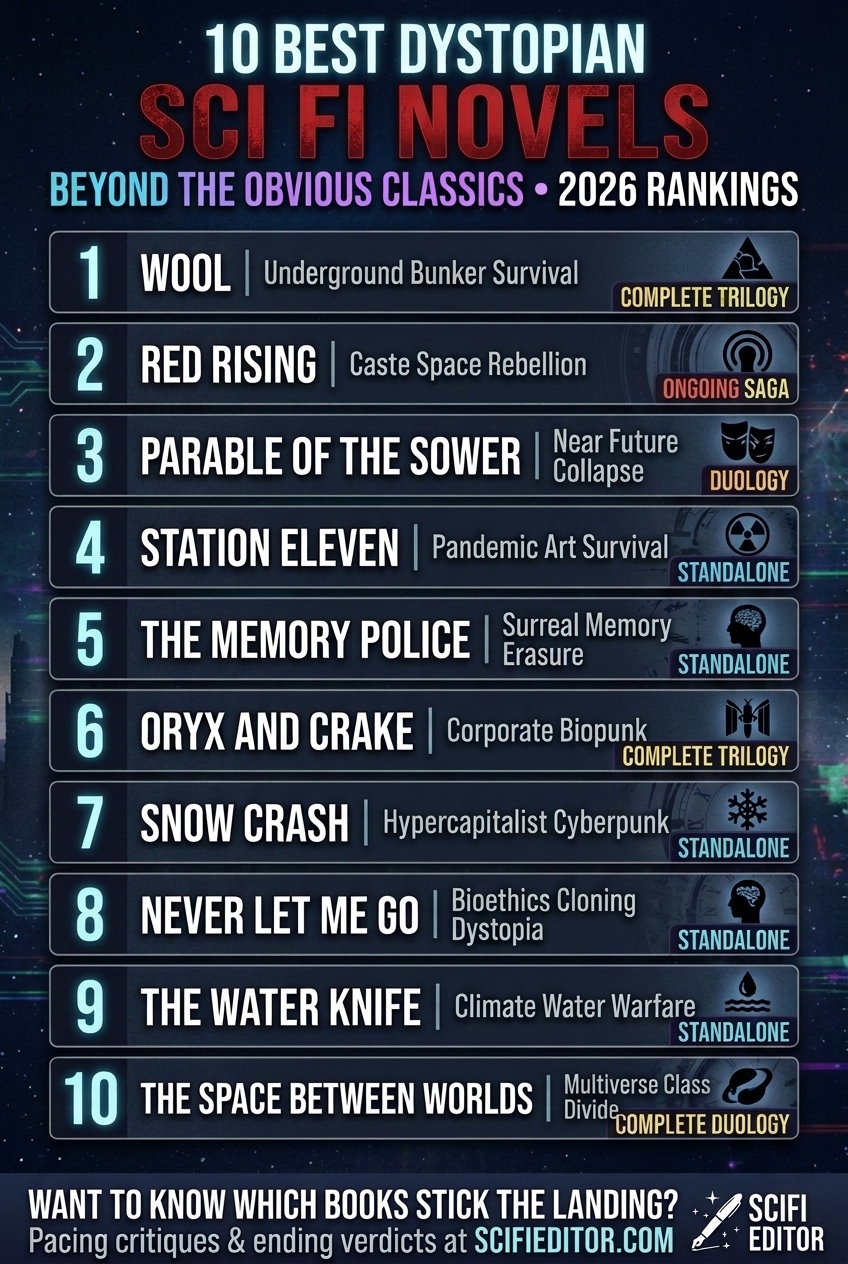
Quick Filter: Pick the Best Dystopian Sci Fi Books by Subgenre
- Fast Paced Rebellion and Cyberpunk Action: Red Rising, Snow Crash, The Water Knife
- Claustrophobic Survival and Climate Collapse: Wool, Parable of the Sower, Station Eleven
- Literary Dread, Biopunk, and Mind Bending Worlds: The Memory Police, Oryx and Crake, Never Let Me Go, The Space Between Worlds
- Finished Dystopian Series With Clean Endings: The Silo Trilogy (Wool), The MaddAddam Trilogy (Oryx and Crake), The Space Between Worlds
- Dystopian Sci Fi Romance Books With High Stakes: The Last Hour of Gann, Last Light, The Blighted Stars
- Sci Fi Horror Books and Cosmic Nightmares: Blindsight, The Gone World, Dead Silence
- Cyberpunk Dystopian Sci Fi Novels: Neuromancer, Snow Crash, Altered Carbon
- Climate Dystopian Sci Fi Books: The Water Knife, Parable of the Sower, The Windup Girl
- Standalone Dystopian Sci Fi Novels You Can Finish Fast: Station Eleven, The Memory Police, The Road
| Novel and Author | Subgenre | Length and Format | Pacing Profile | Ending Status |
| Wool (Hugh Howey) | Underground Bunker Survival | 3 Books (509 Pages Book 1) | Relentless Mystery | Complete Trilogy |
| Red Rising (Pierce Brown) | Caste Space Rebellion | 6 Books (382 Pages Book 1) | Breakneck Action | Trilogy Complete / Saga Ongoing |
| Parable of the Sower (Octavia E. Butler) | Near Future Collapse | 2 Books (345 Pages Book 1) | Gritty Road Survival | Unfinished Trilogy (Book 2 Resolves Arc) |
| Station Eleven (Emily St. John Mandel) | Pandemic Art Survival | Standalone (333 Pages) | Reflective Ensemble | Complete Standalone |
| The Memory Police (Yoko Ogawa) | Surreal Memory Erasure | Standalone (274 Pages) | Quiet Hypnotic Dread | Complete Standalone |
| Oryx and Crake (Margaret Atwood) | Corporate Biopunk | 3 Books (376 Pages Book 1) | Layered Dual Timeline | Complete Trilogy |
| Snow Crash (Neal Stephenson) | Hypercapitalist Cyberpunk | Standalone (480 Pages) | High Velocity Satire | Complete Standalone |
| Never Let Me Go (Kazuo Ishiguro) | Bioethics Cloning Dystopia | Standalone (288 Pages) | Slow Burn Literary | Complete Standalone |
| The Water Knife (Paolo Bacigalupi) | Climate Water Warfare | Standalone (371 Pages) | Ruthless Thriller | Complete Standalone |
| The Space Between Worlds (Micaiah Johnson) | Multiverse Class Divide | 2 Books (336 Pages Book 1) | Sharp Character Thriller | Complete Duology |
1. Wool by Hugh Howey (2011)
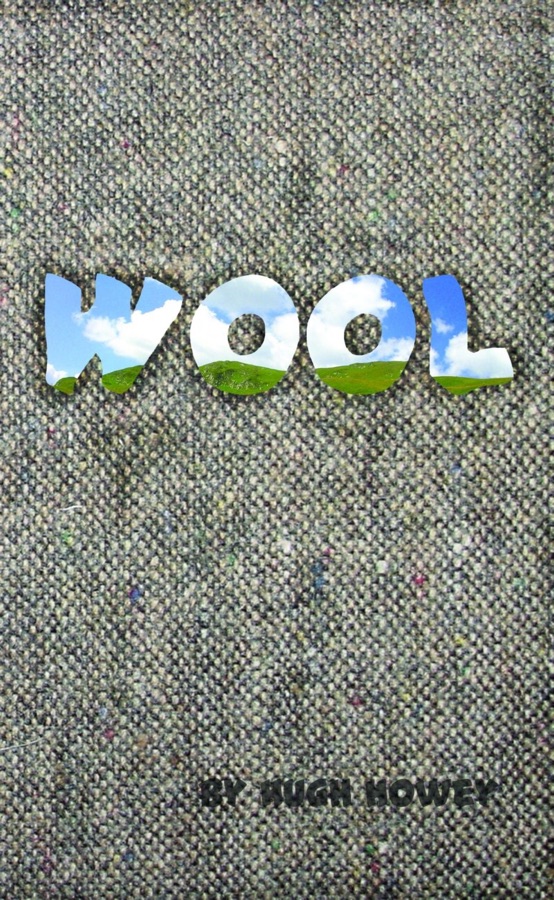
If you want immediate proof that modern dystopian sci fi novels can outpace classic midcentury cautionary tales, start with Wool. Originally released in serialized installments before taking the publishing world by storm, Hugh Howey opens with one of the tightest short stories in modern science fiction and expands it into a claustrophobic masterpiece inside a buried concrete cylinder.
- Published and Format: 2011; Book 1 of the Silo Trilogy (Wool, Shift, and Dust), available in print, digital, and audio editions through libraries and bookstores.
- The Premise: Humanity survives inside a massive underground silo stretching over a hundred levels deep, where toxic wasteland lies beyond thick steel airlocks and anyone who asks to go outside is forced to clean the exterior camera sensors before dying on screen.
- Pacing and Editorial Critique: Because Wool evolved from serialized novellas, almost every chapter ends on a genuine revelation rather than filler exposition. Book 2 (Shift) deliberately slows down to reveal how the silos were built, which tests the patience of readers craving non stop action before paying off brilliantly in Book 3.
- Ending Verdict: Complete trilogy. While Howey has teased future spinoff stories centered on Silo 40, the core narrative across Wool, Shift, and Dust answers every central mystery and delivers a decisive conclusion.
2. Red Rising by Pierce Brown (2014)
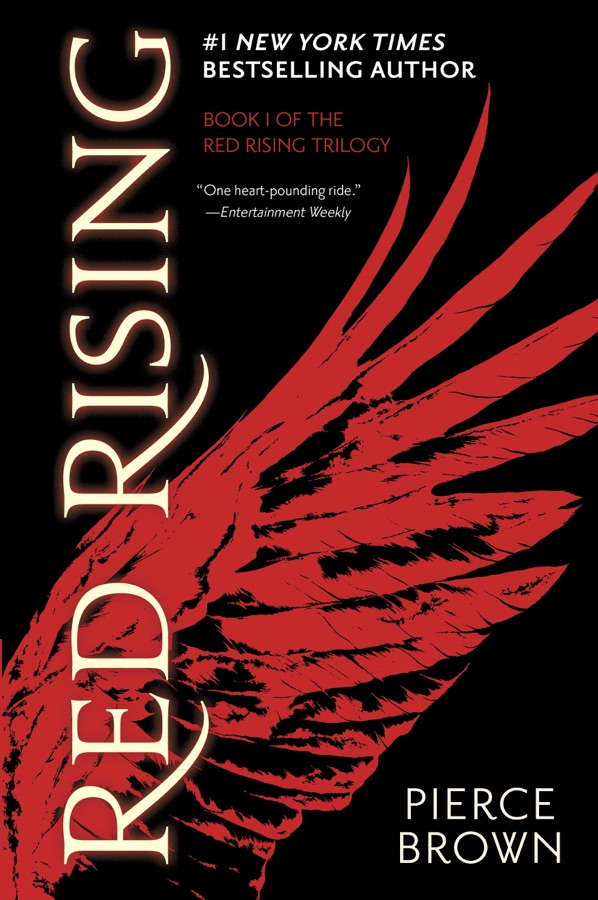
Readers burned out on slow, grim literary dystopias turn to Red Rising for sheer kinetic momentum. Pierce Brown blends Roman imperial hierarchy with brutal sci fi rebellion, starting underground in the mines of Mars before exploding outward into full scale orbital warfare across the solar system.
- Published and Format: 2014; 6 published books in the saga, widely stocked in print, digital, and full cast audio formats.
- The Premise: Darrow is a lowly Red miner beneath the surface of Mars who discovers his people have been lied to for generations, prompting him to undergo painful genetic reconstruction to infiltrate the ruling Gold elite at their lethal military academy.
- Pacing and Editorial Critique: The opening hundred pages establish heavy emotional stakes, and once Darrow enters the Institute, the plot shifts into overdrive. Note that Book 1 leans slightly into familiar lethal academy tropes before Book 2 (Golden Son) matures into an ambitious adult space opera of political betrayal and fleet battles.
- Ending Verdict: Split verdict. Books 1 to 3 (Red Rising, Golden Son, and Morning Star) wrap up cleanly as a complete original trilogy, whereas the sequel quartet (Books 4 to 6) ends on an intense cliffhanger while readers await the seventh and final book, Red God, expected in 2027.
3. Parable of the Sower by Octavia E. Butler (1993)
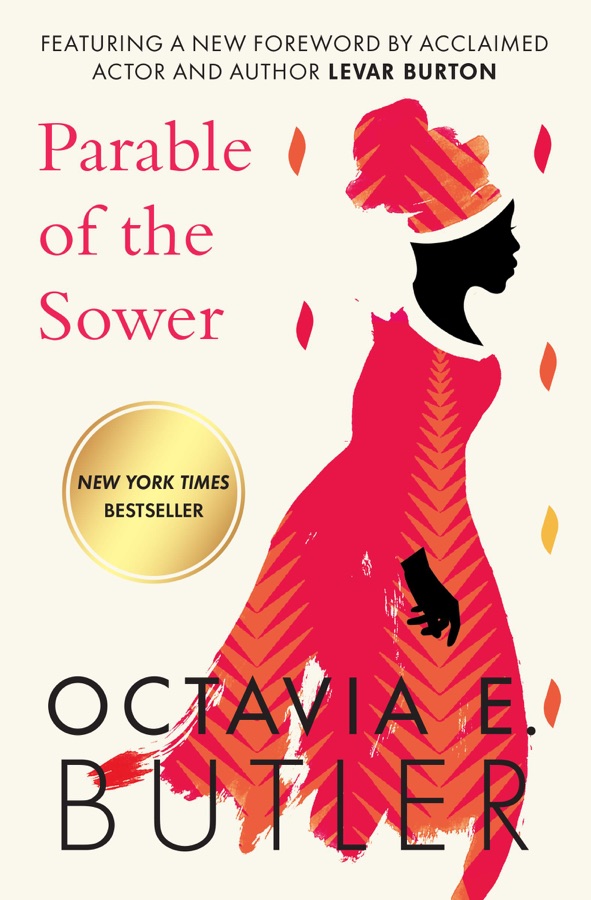
Written more than three decades ago and set in the 2020s, Parable of the Sower feels less like distant fiction and more like an unsettlingly accurate forecast of privatized cities, water scarcity, and crumbling infrastructure. Octavia E. Butler strips away stylized futuristic glamour to examine how ordinary neighborhoods survive when civic institutions fail.
- Published and Format: 1993; Book 1 of the Earthseed duology alongside Parable of the Talents (1998), available across print, ebook, and library catalogs.
- The Premise: In a gated California cul de sac besieged by drug fueled arsonists and extreme poverty, eighteen year old Lauren Olamina lives with hyperempathy that forces her to feel others’ pain while recording survival philosophies for an eventual collapse.
- Pacing and Editorial Critique: Written in clipped diary entries, the prose wastes zero syllables and moves with relentless psychological realism. The first third builds dread inside the neighborhood walls before shifting into a tense northward trek along shattered highways where every encounter carries moral weight.
- Ending Verdict: Important warning before starting: Butler planned a third novel (Parable of the Trickster) that was never completed before her death. However, Book 1 stands remarkably strong on its own, and Book 2 (Parable of the Talents) brings Lauren’s central Earthseed arc to a grounded, resolute close.
4. Station Eleven by Emily St. John Mandel (2014)
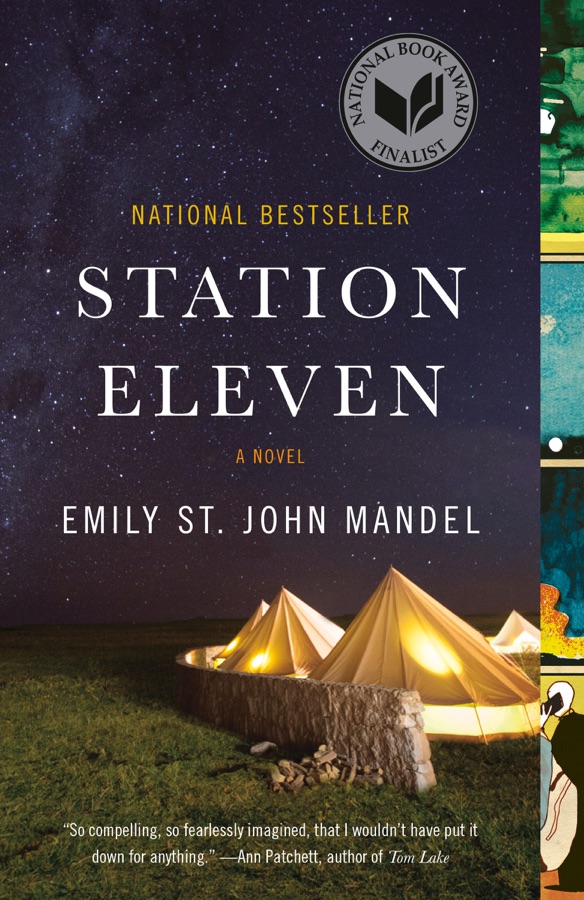
Most apocalyptic dystopias treat human survival as an endless series of gunfights over canned beans. Station Eleven separates itself from generic genre fiction by asking what happens twenty years after civilization falls, when survival is no longer enough and wandering musicians risk dangerous roads just to perform Shakespeare.
- Published and Format: 2014; standalone novel available in print, ebook, and audiobook formats worldwide.
- The Premise: After the Georgia Flu wipes out ninety nine percent of the global population within weeks, a Traveling Symphony of actors and musicians navigates small settlements around the Great Lakes while crossing paths with a violent cult leader tied to a pre collapse comic book.
- Pacing and Editorial Critique: Mandel jumps smoothly between the final hours before the outbreak, the immediate panic, and twenty years afterward. Readers looking for graphic survival combat may find the tone too reflective, yet the interlocking narrative threads snap together with extraordinary structural precision.
- Ending Verdict: Complete standalone novel. Every mystery linking the comic book, the cult prophet, and the pre collapse cast converges cleanly in the final chapters with zero cliffhangers.
5. The Memory Police by Yoko Ogawa (1994, English 2019)
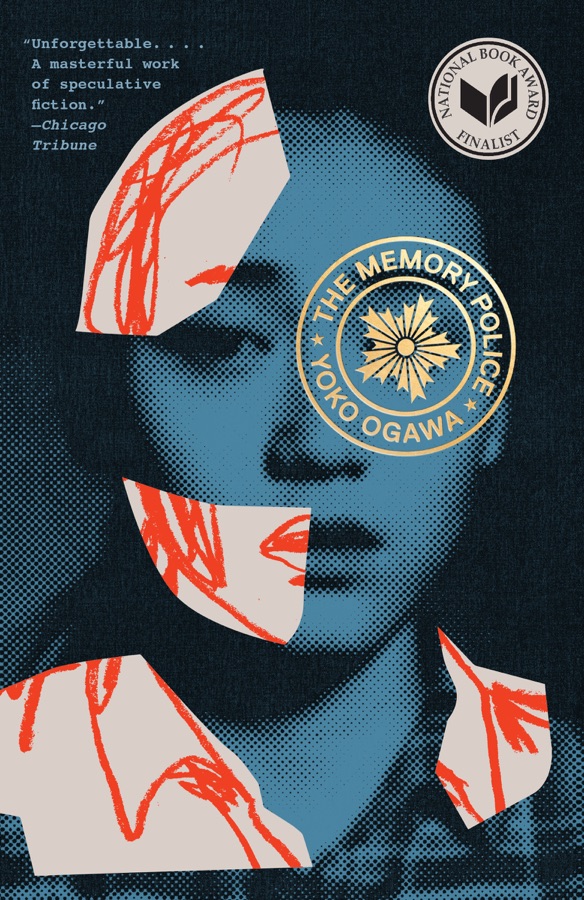
Where Western dystopias lean toward loud armed revolutions against surveillance regimes, Yoko Ogawa builds something far quieter and deeply unsettling. Translated into English by Stephen Snyder in 2019, The Memory Police captures how authoritarian erasure succeeds when citizens passively accept losing pieces of their reality one object at a time.
- Published and Format: Originally published in Japan in 1994 and translated into English in 2019; standalone novel in print, digital, and audio.
- The Premise: On a nameless isolated island, ribbons, birds, photographs, and even novels systematically disappear from both physical spaces and collective human memory, enforced by black uniformed officers who hunt anyone still capable of remembering.
- Pacing and Editorial Critique: This is deliberate, atmospheric, slow burn speculative fiction rather than a thriller. The protagonist hides her endangered editor beneath the floorboards, and the quiet domestic routine makes the escalating vanishings feel far more terrifying than gunfire.
- Ending Verdict: Complete standalone literary novel. Do not expect a triumphant political rebellion; it concludes on an eerie, haunting, and poetically final note that remains true to its surreal premise.
6. Oryx and Crake by Margaret Atwood (2003)
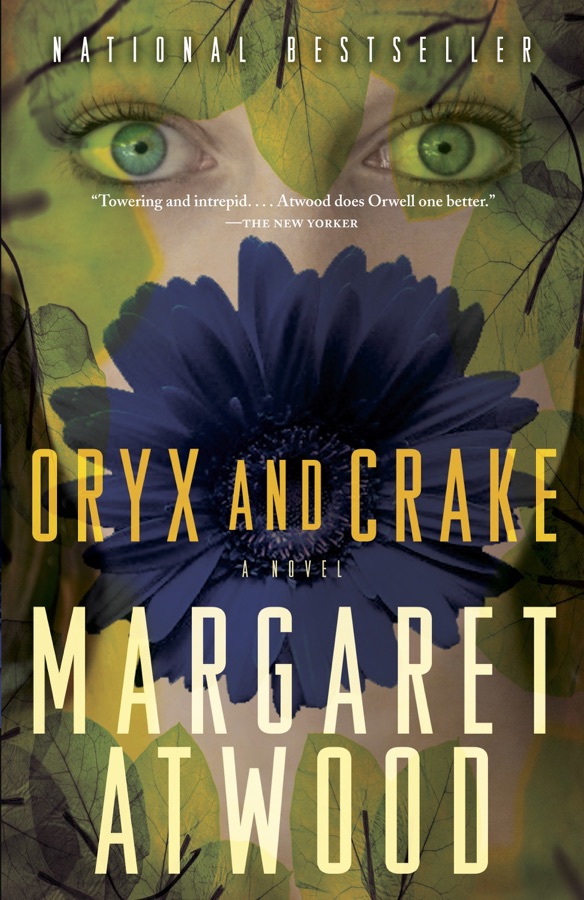
While readers constantly cite The Handmaid’s Tale, Margaret Atwood’s sharper, darker speculation on corporate science belongs to Oryx and Crake. Written with biting satire and relentless ecological dread, it examines what happens when profit driven biotech compounds replace democratic governments and treat human DNA as consumer software.
- Published and Format: 2003; Book 1 of the completed MaddAddam Trilogy alongside The Year of the Flood (2009) and MaddAddam (2013).
- The Premise: A ragged survivor named Snowman lives in a tree near an ocean teeming with genetically spliced creatures, acting as reluctant caretaker to a gentle bioengineered race called the Crakers while piecing together how his brilliant childhood friend triggered humanity’s extinction.
- Pacing and Editorial Critique: Atwood structures the novel around dual timelines: Snowman’s bleak present and cynical flashbacks to corporate gated compounds. The middle third moves methodically through university bioengineering culture before the catastrophic final turn accelerates rapidly.
- Ending Verdict: Complete trilogy. Oryx and Crake ends on an intentional cliffhanger moment on the beach, which is then expanded from parallel perspectives in Book 2 and resolved completely in MaddAddam.
7. Snow Crash by Neal Stephenson (1992)
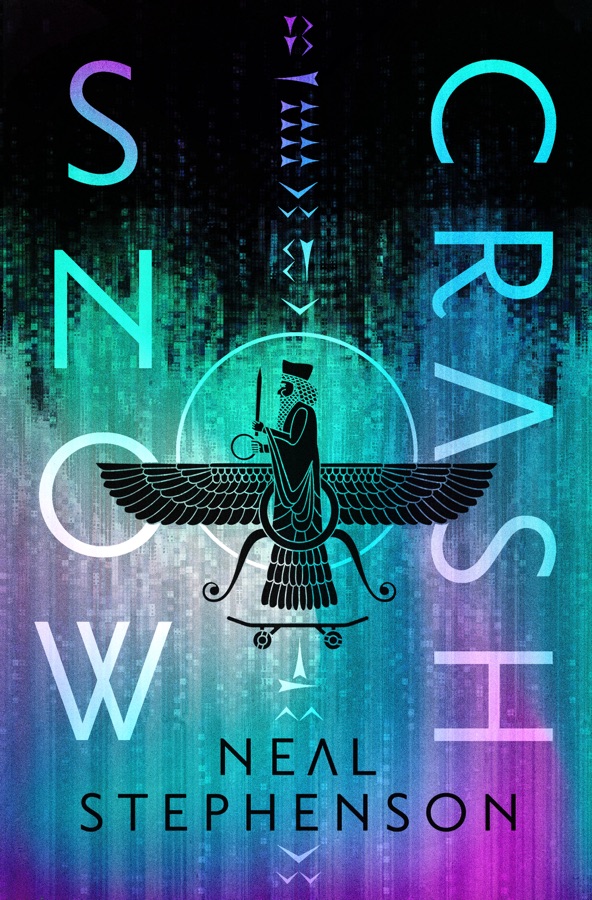
Before virtual avatars and corporate franchise city states became daily headlines, Neal Stephenson captured the absurd chaos of hypercapitalism in Snow Crash. Unlike somber classics that take themselves painfully seriously, this book pairs razor sharp dystopian satire with breakneck cyberpunk action and linguistic virus theory.
- Published and Format: 1992; standalone cyberpunk classic available widely across print, digital, and audio platforms.
- The Premise: In a fractured America carved into corporate suburbs called Burbclaves, a freelance hacker and Mafia pizza courier named Hiro Protagonist races to stop a neuro linguistic drug called Snow Crash from frying human brains inside the Metaverse and the physical world.
- Pacing and Editorial Critique: Chapter 1 delivers one of the funniest, fastest openings in science fiction. About halfway through, Stephenson pauses the action for dense Sumerian mythology and linguistics briefings, which rewards curious readers even if it temporarily slows the chase.
- Ending Verdict: Complete standalone novel. The primary conspiracy concludes cleanly on an action set piece, though critics often note the final pages wrap up abruptly without a lingering epilogue.
8. Never Let Me Go by Kazuo Ishiguro (2005)
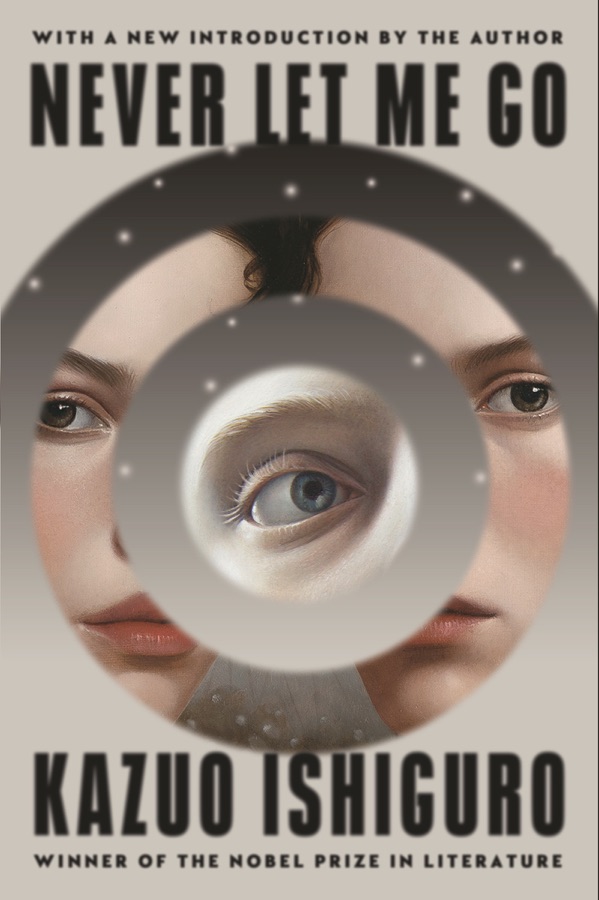
Nobel laureate Kazuo Ishiguro proves you do not need laser checkpoints or ruined skyscrapers to craft an unforgettable dystopia. Set in an alternate late twentieth century England, Never Let Me Go builds its horror entirely out of polite social conditioning and the quiet acceptance of an unthinkable medical system.
- Published and Format: 2005; standalone novel available in all standard print, ebook, and audio editions.
- The Premise: Thirty one year old Kathy H. looks back on her idyllic childhood at Hailsham, an isolated English boarding school where students are carefully protected, encouraged to make art, and quietly prepared for their eventual fate as state sanctioned organ donors.
- Pacing and Editorial Critique: This is the slowest burn on our entire ranking. Readers waiting for a secret rebellion or dramatic escape attempt will misread the book’s brilliance; the tension comes from watching characters cling to small hopes inside a system they never think to overthrow.
- Ending Verdict: Complete standalone novel. Every secret about Hailsham’s true purpose is revealed, delivering quiet, devastating emotional closure that lingers long after the final page.
9. The Water Knife by Paolo Bacigalupi (2015)
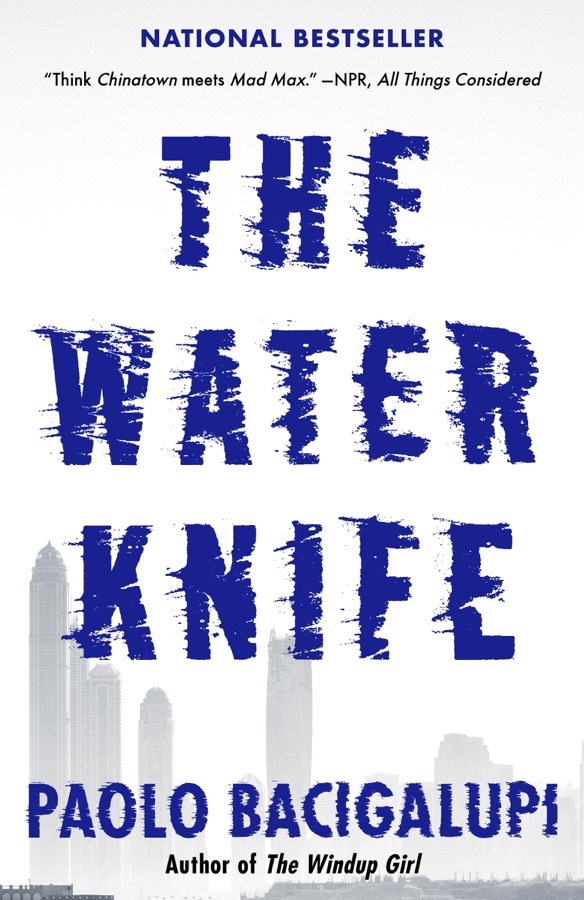
While sprawling post apocalyptic novels jump straight to empty wastelands, The Water Knife zooms into the chaotic decades right before total collapse. Paolo Bacigalupi paints a bone dry American Southwest where state borders close like warzones and corporate water barons hire assassins to sever rival river rights.
- Published and Format: 2015; standalone near future climate thriller available in print, digital, and audio.
- The Premise: Amid scorching dust storms and crumbling Phoenix refugee camps, a ruthless Las Vegas corporate fixer named Angel Velasquez hunts down rumored senior water rights papers alongside a hardened journalist and a desperate Texas migrant.
- Pacing and Editorial Critique: Fast, brutal, and morally uncompromising. Three rotating viewpoints keep the pages flying like an elite crime thriller, though the sheer bleakness and graphic violence make it best suited for adult readers who appreciate gritty realism over comforting heroics.
- Ending Verdict: Complete standalone novel. Every character arc and water treaty thread collides in a razor sharp finale that leaves no dangling sequel hooks.
10. The Space Between Worlds by Micaiah Johnson (2020)
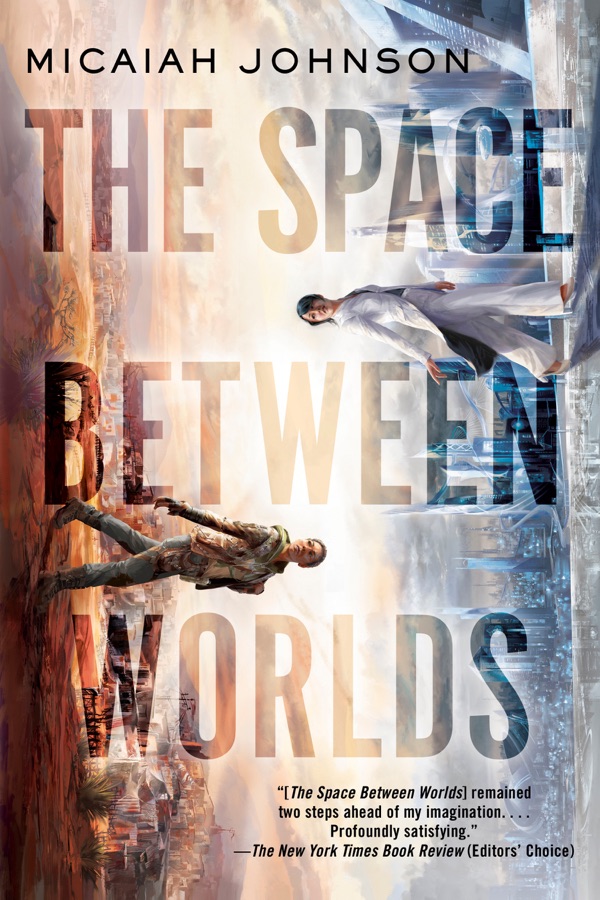
For readers tired of twenty year old dystopias, Micaiah Johnson injects fresh multiverse mechanics into classic walled city class warfare. Rather than treating parallel earths as playful cosmic playgrounds, The Space Between Worlds turns dimension hopping into exploitative corporate labor reserved exclusively for the disposable poor.
- Published and Format: 2020; Book 1 of a completed two book universe alongside Those Beyond the Wall (2024).
- The Premise: Multiverse travel is physically impossible if your alternate self is still alive on the target Earth, so a wealthy corporate dome city hires Cara, a survivor from the impoverished wasteland whose counterparts have died across nearly every parallel timeline, to harvest valuable data.
- Pacing and Editorial Critique: Sharp, propulsive, and tightly plotted around a single strong hook. The world building balances wasteland survival politics with emotional identity twists, moving briskly without bloating into a five book commitment.
- Ending Verdict: Complete as both a standalone story and a duology. Cara’s core mystery finishes cleanly in Book 1, and companion sequel Those Beyond the Wall expands Ashtown’s perspective for full closure.
Frequently Asked Questions
What is the difference between sci fi and dystopian?
Science fiction explores futuristic concepts, advanced technology, space exploration, or alternate timelines across both hopeful and dark worlds. Dystopian sci fi focuses specifically on oppressive societies broken by authoritarian control, ecological ruin, or corporate exploitation. Many of the strongest dystopian sci fi books blend speculative technology with survival stakes to critique modern institutions.
What are the big 4 dystopian books?
The traditional Big Four dystopian classics are 1984 by George Orwell, Brave New World by Aldous Huxley, Fahrenheit 451 by Ray Bradbury, and We by Yevgeny Zamyatin. While those twentieth century pillars shaped the genre, modern readers seeking tighter pacing and completed multi book arcs often prefer Wool, Parable of the Sower, and Oryx and Crake.
What are some modern dystopian science fiction books beyond the classics?
Standout contemporary dystopian science fiction books include Wool by Hugh Howey, Station Eleven by Emily St. John Mandel, The Water Knife by Paolo Bacigalupi, and The Space Between Worlds by Micaiah Johnson. Each shifts away from predictable rebellion tropes toward climate collapse, pandemic survival, and multiverse corporate exploitation.
What are the best dystopian sci fi novels for adults?
Adult readers consistently favor Red Rising for relentless space rebellion, Parable of the Sower for stark near future realism, and Never Let Me Go for devastating literary dread. Unlike young adult trilogies driven by love triangles, these best dystopian sci fi books emphasize mature moral tension and honest consequences.
Why are people so drawn to dystopian sci fi books?
Dystopian sci fi books examine human resilience under extreme political, technological, and environmental collapse. Reading cautionary survival stories lets audiences confront real fears about surveillance, resource scarcity, and corporate power from a safe narrative distance.