
Readers seeking standalone dystopian sci fi novels usually want one specific relief: gripping speculative world building that delivers a complete, unforgettable ending inside a single volume without trapping them in a sprawling five book commitment. Every single novel ranked below stays under 340 pages, reads swiftly, and resolves cleanly with zero sequels required. Start immediately with Station Eleven, The Memory Police, or I Who Have Never Known Men.
While I expanded our master pillar on the best dystopian sci fi novels, I saw many adult readers split cleanly between wanting a brisk single sitting read and diving into finished dystopian sci fi book series. Each single book pick below carries an exact page count, editorial pacing note, and upfront ending verdict.
Quick Filter: Pick Your Fast Single Book Dystopia
- Pandemic Aftermath and Quiet Survival: Station Eleven, The Road, The Dog Stars
- Psychological Dread, Bunkers, and Bioethics: The Memory Police, Never Let Me Go, I Who Have Never Known Men
- Fast Authoritarian Classics Under 250 Pages: Fahrenheit 451, A Clockwork Orange, The Children of Men
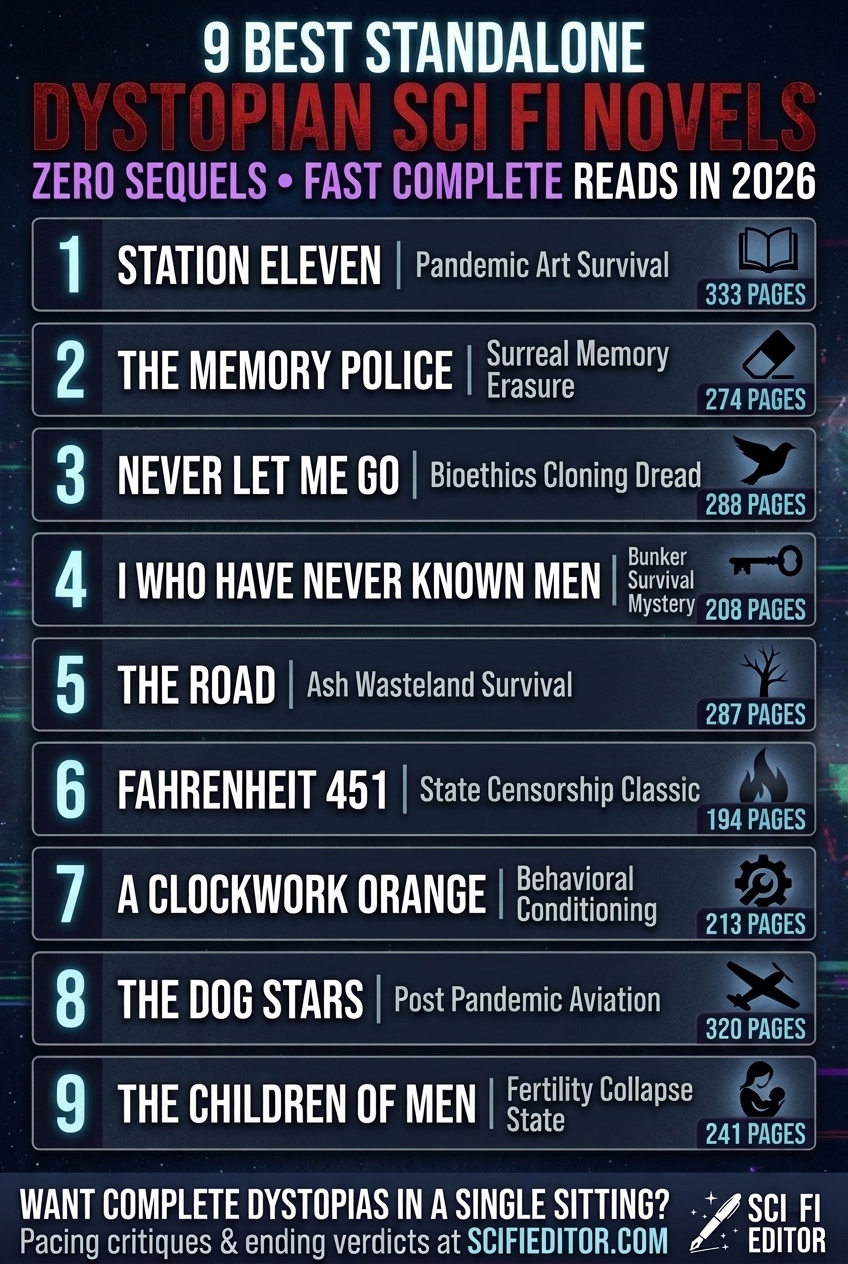
| Novel and Author | Subgenre | Page Count | Pacing Profile | Ending Status |
| Station Eleven (Emily St. John Mandel) | Pandemic Art Survival | 333 Pages | Reflective Ensemble | Complete Standalone |
| The Memory Police (Yoko Ogawa) | Surreal Memory Erasure | 274 Pages | Hypnotic Quiet Dread | Complete Standalone |
| Never Let Me Go (Kazuo Ishiguro) | Bioethics Cloning Dread | 288 Pages | Emotional Slow Burn | Complete Standalone |
| I Who Have Never Known Men (Jacqueline Harpman) | Bunker Survival Mystery | 208 Pages | Sparse Compulsive Mystery | Complete Standalone |
| The Road (Cormac McCarthy) | Ash Wasteland Survival | 287 Pages | Relentless Tight Survival | Complete Standalone |
| Fahrenheit 451 (Ray Bradbury) | State Censorship Classic | 194 Pages | Urgent Crisp Classic | Complete Standalone |
| A Clockwork Orange (Anthony Burgess) | Behavioral Conditioning | 213 Pages | Kinetic Satire Voice | Complete Standalone |
| The Dog Stars (Peter Heller) | Post Pandemic Aviation | 320 Pages | Lyrical Brisk Survival | Complete Standalone |
| The Children of Men (P. D. James) | Fertility Collapse State | 241 Pages | Tight Political Thriller | Complete Standalone |
1. Station Eleven by Emily St. John Mandel (2014)
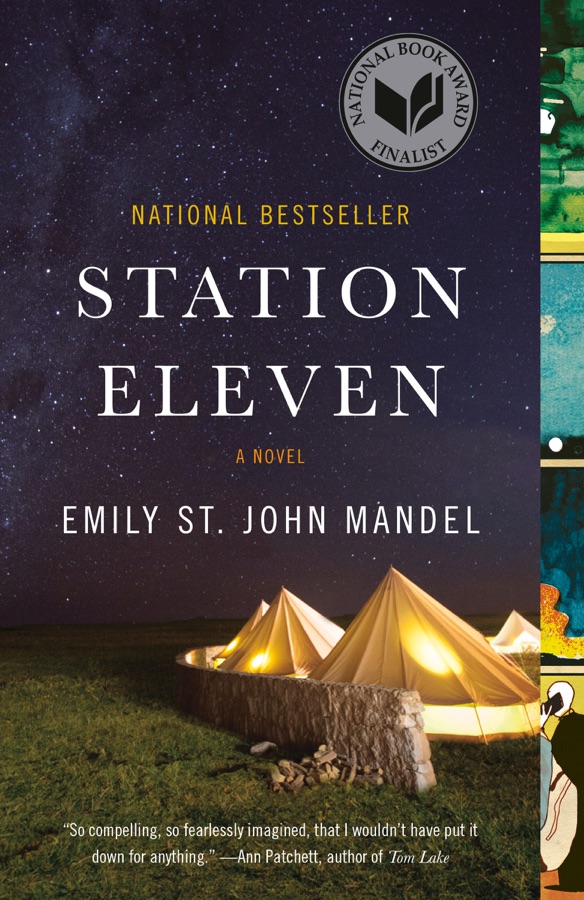
Moving effortlessly between the final hours of civilization and twenty years after a lethal flu collapse, Station Eleven proves standalone pandemic fiction can deliver sweeping emotional scale inside 333 crisp pages. I finished Mandel’s 333 pages in a single quiet Sunday afternoon and immediately recommended the Traveling Symphony chapters to my reading group.
- Ending Verdict: Complete standalone novel. Every interwoven character thread, comic book clue, and cult mystery resolves cleanly with zero cliffhangers.
- The Premise: Following a devastating viral collapse, a Traveling Symphony of actors and musicians risks dangerous Great Lakes trails to preserve art while crossing paths with a violent self proclaimed prophet.
- Pacing and Editorial Critique: Smooth dual timeline transitions keep momentum brisk while trading mindless zombie gore for poignant structural precision.
2. The Memory Police by Yoko Ogawa (1994, English 2019)

Clocking in at 274 pages, Yoko Ogawa’s surreal parable examines how polite social compliance enables authoritarian erasure long before troops ever storm the doors.
- Ending Verdict: Complete standalone novel. Expect a haunting, poetically final literary conclusion true to its eerie island premise.
- The Premise: On a misty island where birds, photographs, and books periodically vanish from physical existence and human memory alike, a young novelist hides her endangered editor beneath the floorboards.
- Pacing and Editorial Critique: Quiet, hypnotic, and briskly readable across two evenings, letting domestic routine amplify the dread.
3. Never Let Me Go by Kazuo Ishiguro (2005)
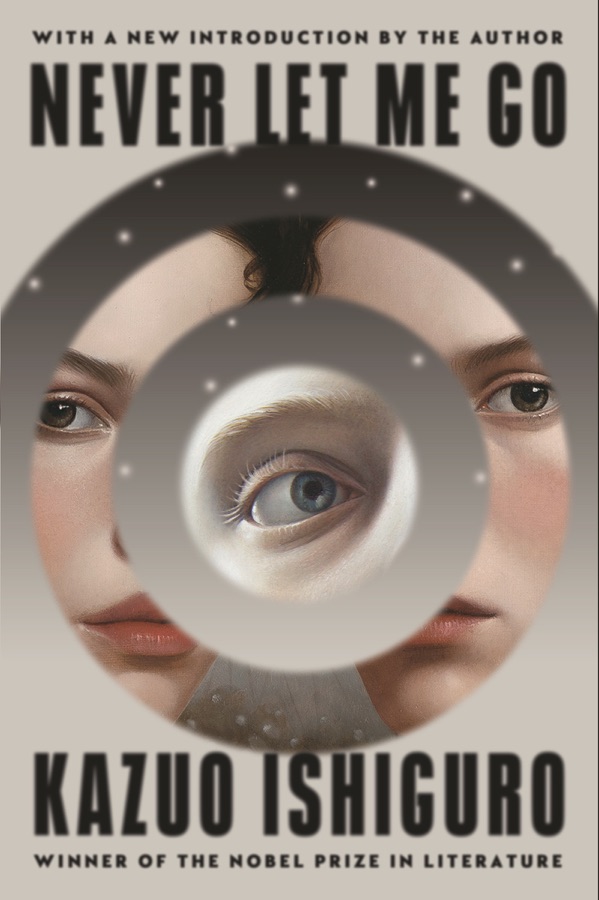
At just 288 pages, Kazuo Ishiguro crafts an unforgettable bioethics dystopia built entirely from childhood nostalgia, polite lies, and unspoken dread.
- Ending Verdict: Complete standalone novel. All truths surrounding Hailsham resolve quietly with devastating emotional finality.
- The Premise: Former boarding school student Kathy H. reflects on her sheltered rural upbringing at Hailsham, gradually revealing the chilling medical purpose awaiting every student once they become young adults.
- Pacing and Editorial Critique: Gentle prose moves briskly while slowly tightening an emotional vise that haunts readers long after finishing.
4. I Who Have Never Known Men by Jacqueline Harpman (1995)
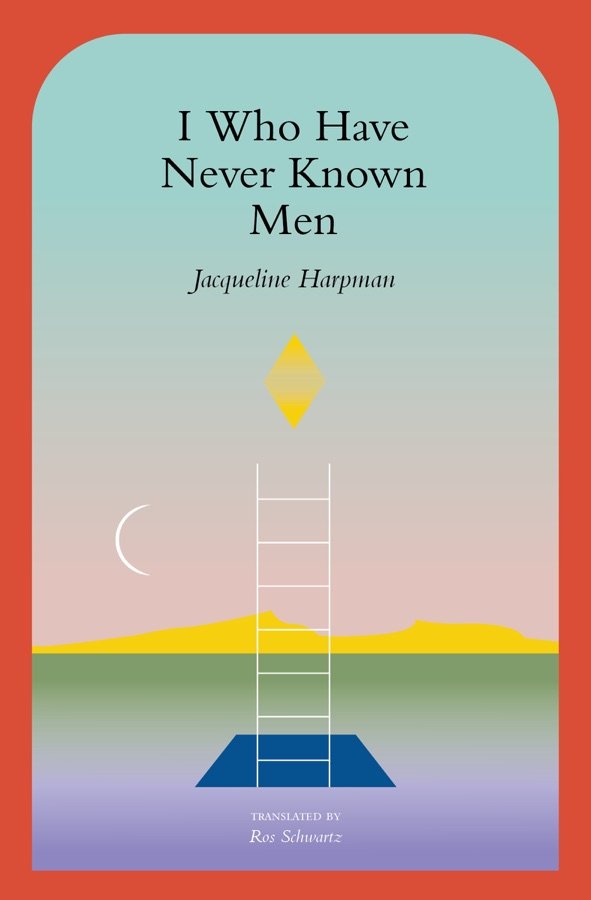
First published in French in 1995 and translated into English in 1997, this razor thin 208 page cult sensation regularly sweeps adult speculative reading threads for its raw existential tension. I sat silently for ten minutes after turning Harpman’s final page because no other survival novel strips human isolation down to such clean, haunting prose.
- Ending Verdict: Complete standalone novel with an intentionally mysterious world. It finishes the narrator’s entire lifelong journey cleanly while deliberately refusing tidy scientific textbook answers about who built the bunker.
- The Premise: Held captive in an underground cage alongside thirty nine older women with no memory of why they are imprisoned, a silent young girl helps the group escape when an alarm suddenly triggers, emerging onto an empty barren planet.
- Pacing and Editorial Critique: Spare, stark, and nearly impossible to put down; most readers finish this eerie philosophical survival mystery in a single afternoon.
5. The Road by Cormac McCarthy (2006)
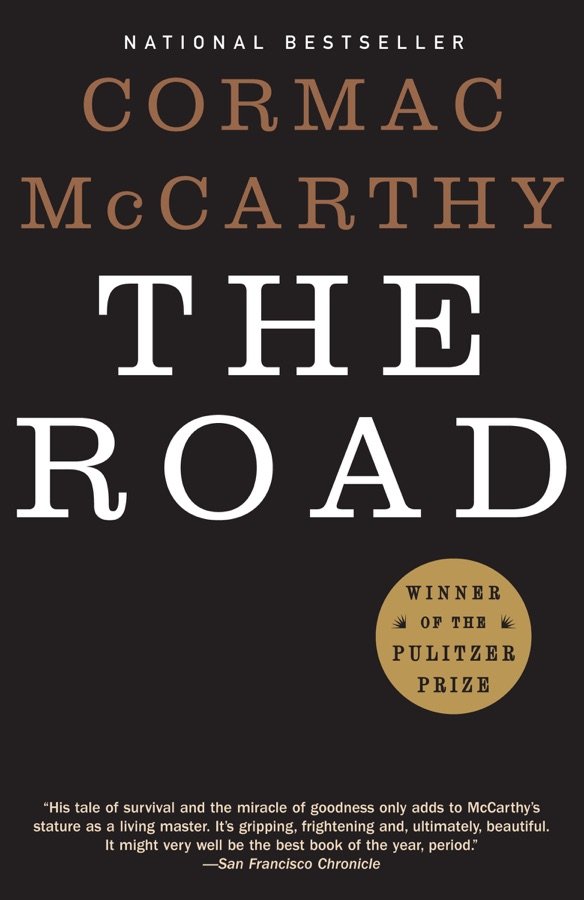
Winner of the Pulitzer Prize, The Road strips dystopian survival fiction down to stark biblical prose across 287 relentless pages you can tear through in one weekend.
- Ending Verdict: Complete standalone novel. The father and son’s coastal journey ends decisively with zero sequel threads.
- The Premise: Following an unnamed extinction catastrophe that reduced North America to grey ash and cannibal gangs, a dying father pushes a shopping cart south toward the sea to protect his young son.
- Pacing and Editorial Critique: Sparse dialogue and short paragraph fragments create breathtaking urgency where finding a single can of peaches feels like life or death.
6. Fahrenheit 451 by Ray Bradbury (1953)
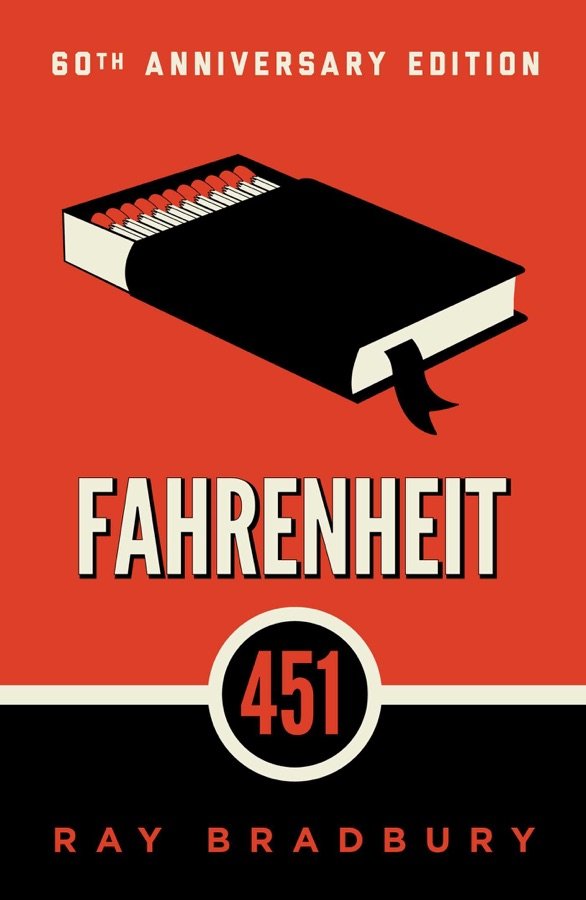
Clocking in under 200 pages, Ray Bradbury’s fiery warning against wall sized interactive television screens and anti intellectual conformity remains one of the fastest classics in the entire genre.
- Ending Verdict: Complete standalone novel. Guy Montag’s rebellion and escape into the countryside wrap up completely in one brisk book.
- The Premise: Fireman Guy Montag spends his nights burning contraband books inside a sedated consumer police state until a curious neighbor forces him to question what lies inside the pages he destroys.
- Pacing and Editorial Critique: Poetic, punchy, and urgent; even readers burned out on slow school classics fly through Montag’s escape sequence.
7. A Clockwork Orange by Anthony Burgess (1962)

Slimmer than 220 pages, Anthony Burgess’s fierce linguistic dystopia confronts state mind control and free will with electric, unforgettable slang.
- Ending Verdict: Complete standalone novel. Make sure your edition includes the original twenty first final chapter for Burgess’s full intended thematic arc.
- The Premise: Brutal teenage gang leader Alex gets arrested after a botched home invasion and volunteers for experimental aversion therapy designed to chemically erase his capacity to choose violence.
- Pacing and Editorial Critique: Once your ear catches the rhythm of Nadsat street slang in chapter two, the brisk three act arc flies past with razor sharp moral provocation.
8. The Dog Stars by Peter Heller (2012)
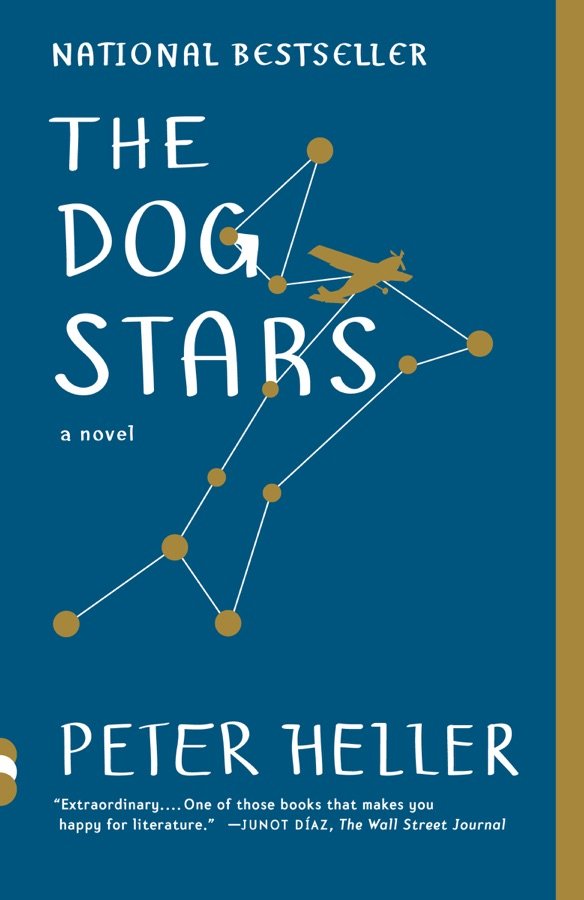
For readers craving gritty post pandemic survival paired with open sky beauty and crisp literary momentum, Peter Heller delivers an unforgettable 320 page gem.
- Ending Verdict: Complete standalone novel. Hig’s flight across Colorado and final search for survivors resolve warmly and decisively in one volume.
- The Premise: Nine years after a super flu wipes out almost everyone on Earth, lonely pilot Hig guards an abandoned Colorado airfield in a small Cessna alongside his old dog and a paranoid sniper neighbor until a faint radio broadcast sparks one reckless flight.
- Pacing and Editorial Critique: Telegraphic, brisk, and emotionally warm, offering rapid page turning momentum without endless dreary misery.
9. The Children of Men by P. D. James (1992)
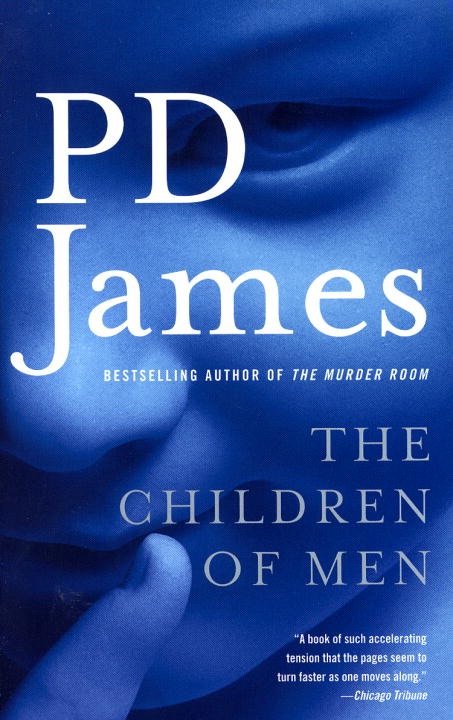
Before inspiring Alfonso Cuarón’s acclaimed film, crime master P. D. James penned a taut, chilling 241 page political dystopia set inside an aging authoritarian Britain facing human extinction. Having watched the film years before picking up James’ 241 page novel, I was surprised by how sharply the book’s cold bureaucratic dread differs on the page.
- Ending Verdict: Complete standalone novel. Every political conspiracy and birth miracle resolves tightly by the closing pages.
- The Premise: Twenty five years after humanity suddenly loses the biological ability to reproduce, Oxford historian Theo Faron gets drawn out of bleak apathy when a fugitive resistance cell reveals the first pregnant woman on Earth.
- Pacing and Editorial Critique: Controlled, suspenseful, and briskly structured like a classic British thriller, tightening steadily once the escape across rural England begins.
Frequently Asked Questions
What are the best standalone dystopian sci fi novels?
The strongest standalone dystopian sci fi novels are Station Eleven by Emily St. John Mandel, The Memory Police by Yoko Ogawa, Never Let Me Go by Kazuo Ishiguro, and I Who Have Never Known Men by Jacqueline Harpman. Each delivers complete character arcs and unforgettable world building in a single book.
Are there good dystopian sci fi books that are not series?
Yes, dozens of acclaimed dystopian books stand completely alone without trilogies or reading orders. Classics like Fahrenheit 451 and modern hits like The Dog Stars, The Road, and The Children of Men wrap up every mystery cleanly in under 340 pages.
Why read standalone dystopian sci fi instead of a trilogy?
Standalone dystopian books guarantee tight narrative pacing, zero middle book filler, and full closure without waiting years for delayed sequels. If you ever do want longer immersive worlds with guaranteed completion, compare our finished dystopian sci fi book series guide or browse the main best dystopian sci fi novels pillar.
What is the fastest standalone dystopian book to read in one day?
Fahrenheit 451 at 194 pages and I Who Have Never Known Men at 208 pages are the briskest standalone dystopian reads you can finish in a single afternoon. Both waste zero words and hook readers immediately from their opening chapters.