
Readers hunting for cyberpunk dystopian sci fi novels quickly notice that generic book lists confuse sleek action video game tie ins with true high tech, low life speculative fiction. When you want corporate city states, runaway artificial intelligence, neural hacking, and gritty urban survival written with genuine craft, start with Neuromancer, Snow Crash, or Altered Carbon.
While I built our main editorial guide to the best dystopian sci fi novels, I traced firsthand how sharply classic street level cyberpunk diverges into modern biopunk and data monopoly politics. Every novel ranked below delivers bleak corporate technology paired with an upfront ending verdict so you never get blindsided mid trilogy.
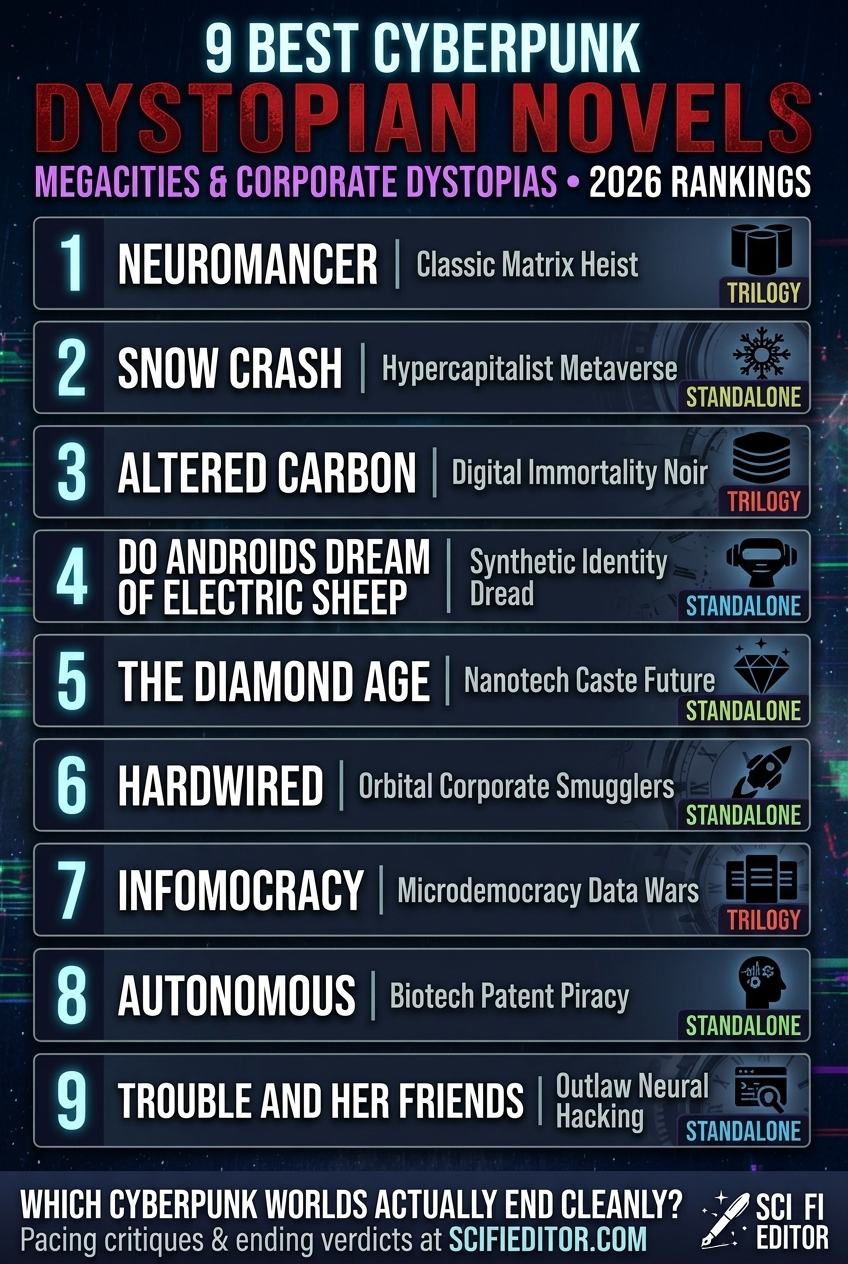
Quick Filter: Pick Your Brand of Cyberpunk Dystopia
- Classic Console Cowboys and Neon Noir: Neuromancer, Do Androids Dream of Electric Sheep?, Hardwired
- Metaverse Satire, Nanotechnology, and Hardboiled Action: Snow Crash, Altered Carbon, The Diamond Age
- Modern Data Monopolies, Biotech, and Outlaw Hackers: Infomocracy, Autonomous, Trouble and Her Friends
| Novel and Author | Subgenre | Series Length | Pacing Profile | Ending Status |
| Neuromancer (William Gibson) | Classic Matrix Heist | 3 Books (Complete) | Dense Atmospheric Noir | Complete Trilogy |
| Snow Crash (Neal Stephenson) | Hypercapitalist Metaverse | Standalone (480 Pages) | High Velocity Satire | Complete Standalone |
| Altered Carbon (Richard K. Morgan) | Digital Immortality Noir | 3 Books (Complete) | Hardboiled Action | Complete Trilogy |
| Do Androids Dream of Electric Sheep? (Philip K. Dick) | Synthetic Identity Dread | Standalone (210 Pages) | Paranoid Psychological | Complete Standalone |
| The Diamond Age (Neal Stephenson) | Nanotech Caste Future | Standalone (499 Pages) | Layered World Building | Complete Standalone |
| Hardwired (Walter Jon Williams) | Orbital Corporate Smugglers | Standalone (344 Pages) | Fast Chrome Combat | Complete Standalone |
| Infomocracy (Malka Older) | Microdemocracy Data Wars | 3 Books (Complete) | Brisk Political Thriller | Complete Trilogy |
| Autonomous (Annalee Newitz) | Biotech Patent Piracy | Standalone (304 Pages) | Thoughtful Modern Grit | Complete Standalone |
| Trouble and Her Friends (Melissa Scott) | Outlaw Neural Hacking | Standalone (377 Pages) | Tight 1990s Cyber Noir | Complete Standalone |
1. Neuromancer by William Gibson (1984)
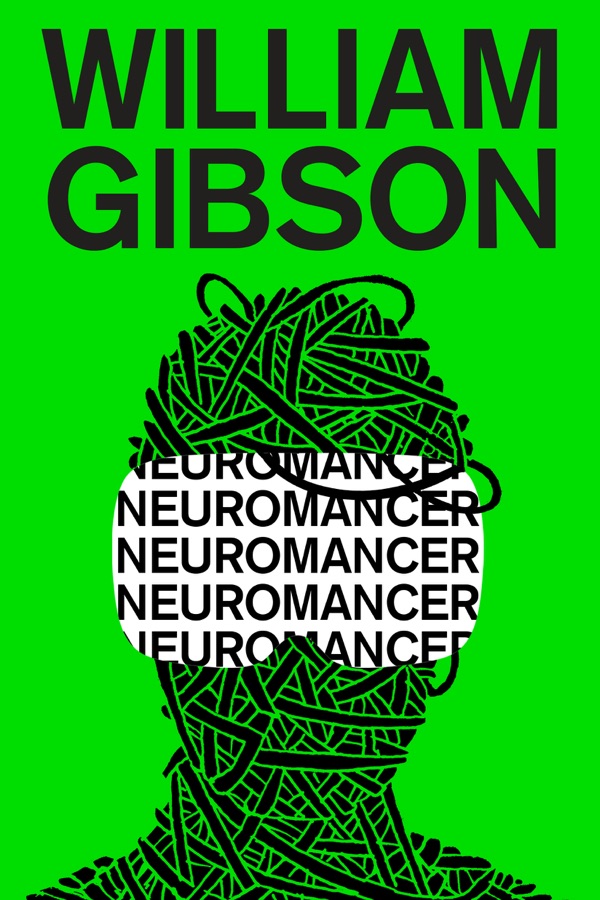
William Gibson launched the modern cyberpunk vocabulary before the public internet even existed, coining cyberspace and setting the moody template for rainy urban sprawl ruled by orbital conglomerates. Decades later, its clipped prose still buzzes like live static. Whenever I revisit Case’s opening Chiba City sequence with newer sci fi writers, I point out how Gibson’s sensory compression conveys massive corporate power in just three paragraphs.
- Ending Verdict: Complete standalone heist AND complete trilogy. Neuromancer finishes its central orbital heist cleanly in one volume, while sequels Count Zero and Mona Lisa Overdrive expand and close the Sprawl Trilogy decisively.
- The Premise: Burned out data thief Case has his damaged nervous system surgically repaired by shadowy patrons in exchange for pulling off one suicidal cyberspace raid against an artificial intelligence locked inside an orbital villa.
- Pacing and Editorial Critique: Expect zero hand holding in the first forty pages; Gibson drops readers straight into Chiba City slang without glossary pauses, then locks into a hypnotic, relentless caper rhythm.
2. Snow Crash by Neal Stephenson (1992)
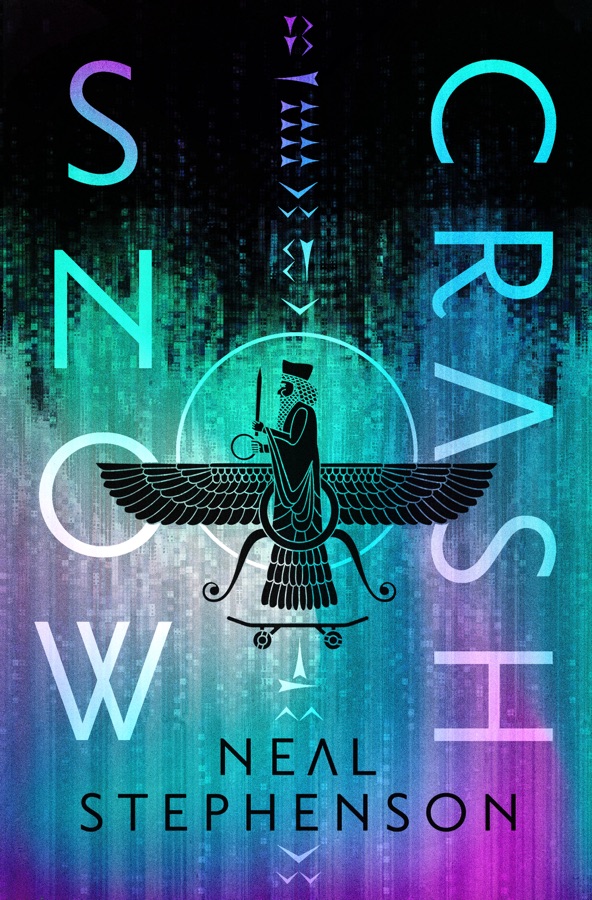
Where early cyberpunk writers leaned deadly serious, Neal Stephenson weaponized wild dystopian comedy to predict corporate suburban city states and virtual reality avatars. Few sci fi novels match its sheer kinetic opening velocity.
- Ending Verdict: Complete standalone novel. The primary corporate conspiracy wraps up cleanly on a high speed finale without requiring any sequels.
- The Premise: Freelance hacker and Mafia pizza courier Hiro Protagonist races across corporate Burbclaves and the digital Metaverse to stop a dangerous neuro linguistic virus from frying human brains worldwide.
- Pacing and Editorial Critique: Chapter 1 delivers pure adrenaline before the middle section slows briefly for dense linguistic briefings that reward curious readers before the final chase explodes.
3. Altered Carbon by Richard K. Morgan (2002)
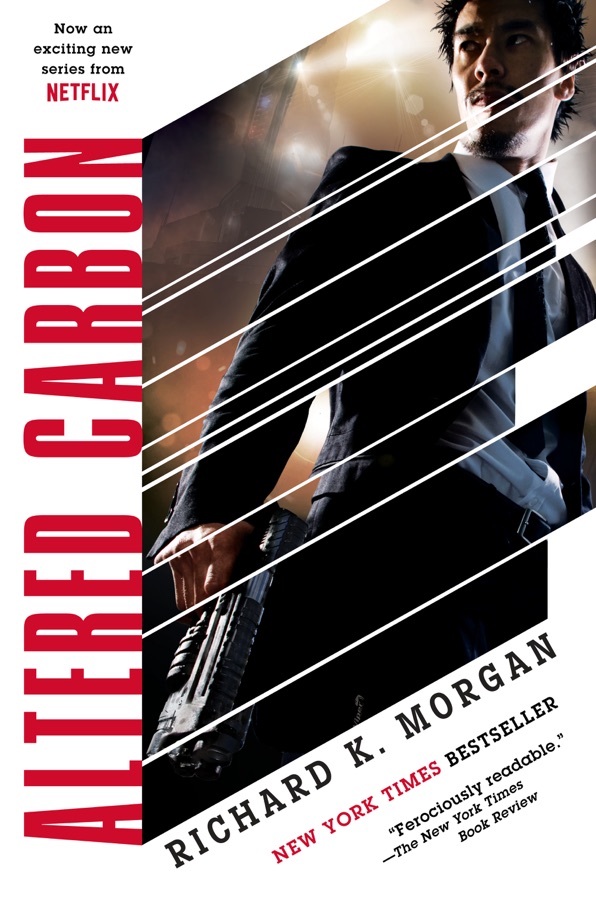
Combining ruthless detective noir with dark transhumanist inequality, Altered Carbon explores what happens to human justice when billionaires back up their minds digitally to swap bodies endlessly like luxury cars.
- Ending Verdict: Complete detective case AND complete trilogy. Book 1 resolves its central murder conspiracy cleanly, and sequels Broken Angels and Woken Furies complete the Takeshi Kovacs saga without cliffhangers.
- The Premise: Downloaded into a new synthetic sleeve across centuries of interstellar transit, ex soldier Takeshi Kovacs investigates the apparent suicide of an immortal Bay City oligarch who refuses to believe he pulled the trigger himself.
- Pacing and Editorial Critique: Brutal, fast paced, and unapologetically adult, pairing graphic cyberpunk violence with biting fury over corporate immortality hoarding.
4. Do Androids Dream of Electric Sheep? by Philip K. Dick (1968)
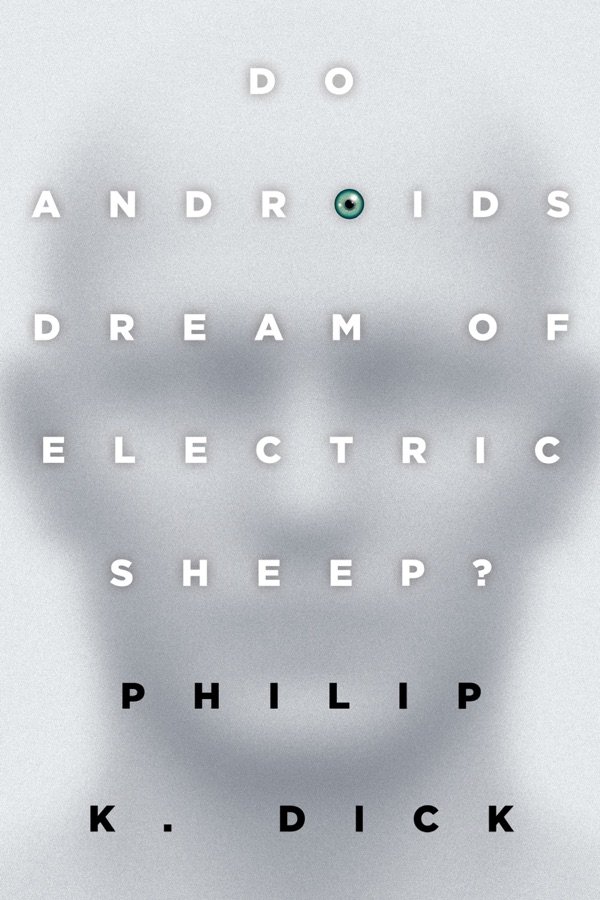
Before inspiring Blade Runner, Philip K. Dick’s haunting proto cyberpunk classic invented the paranoid empathy crises and decaying ecological megacities that define the entire subgenre. Every time I annotate Dick’s novel alongside its film adaptation, I notice again how much bleaker Mercerism and artificial pet obsession make the book.
- Ending Verdict: Complete standalone novel. Rick Deckard’s twenty four hour hunt and devastating personal revelation conclude completely inside a slim 210 pages.
- The Premise: On a radioactive, soot choked Earth largely abandoned for off world colonies, struggling bounty hunter Rick Deckard tracks six rogue Nexus 6 androids hiding in San Francisco while yearning to afford a real living animal.
- Pacing and Editorial Critique: Tight, surreal, and unsettlingly intimate; Dick trades glossy action set pieces for creeping psychological paranoia over what makes empathy real.
5. The Diamond Age by Neal Stephenson (1995)
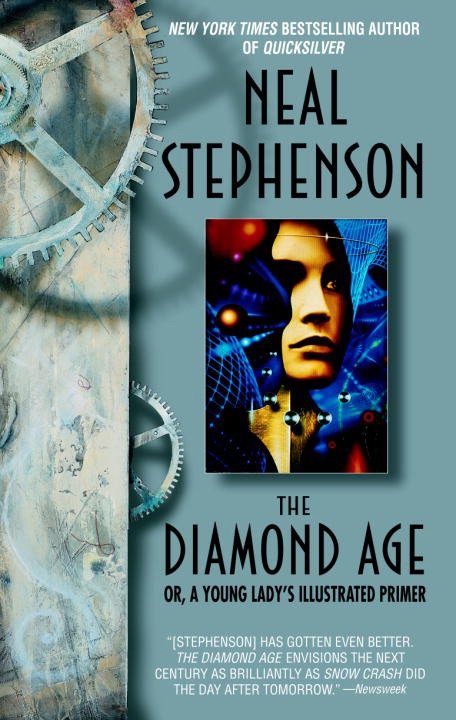
Moving from 1990s cyber highways into extreme nanotechnology inequality, The Diamond Age depicts a stratified world where automated molecular assemblers provide free basic matter while elite tribes hoard customized education.
- Ending Verdict: Complete standalone novel. Nell’s coming of age journey and the geopolitical clash over Shanghai wrap up cleanly in a single volume.
- The Premise: When an illegal, stolen interactive nanotechnology textbook falls into the hands of an abused street girl named Nell inside a bleak coastal slum, the sentient book secretly educates her to challenge ruling Neo Victorian elites.
- Pacing and Editorial Critique: Slower and denser than Snow Crash, rewarding patient readers with astonishing world building around tribal corporate networks and molecular warfare.
6. Hardwired by Walter Jon Williams (1986)
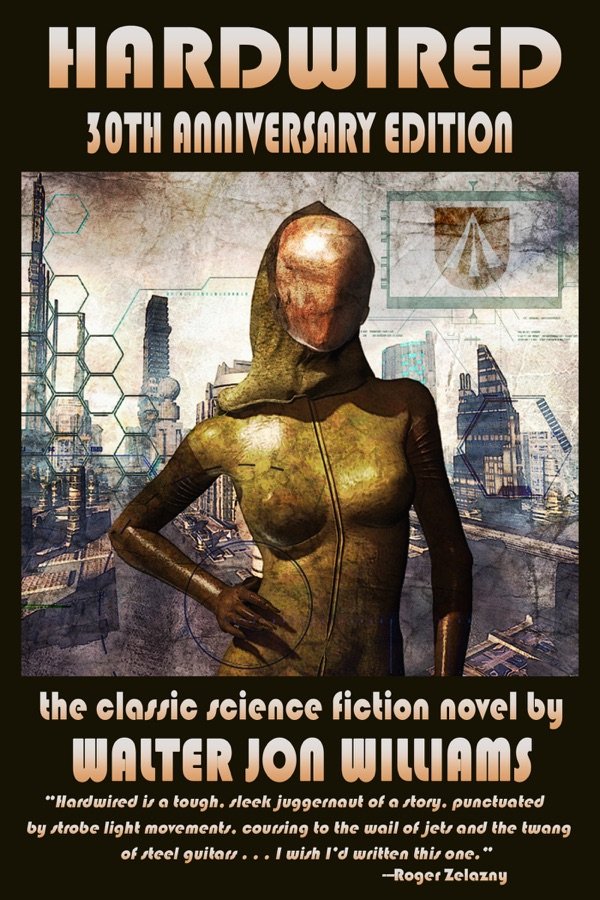
Often overlooked beside Gibson’s classics, Hardwired delivers pure armored smuggling adrenaline across a Balkanized North America choked by ruthless orbiting corporate syndicates.
- Ending Verdict: Complete standalone novel. Cowboy and Sarah’s strike against orbital executives finishes cleanly in one volume, with only optional loose universe stories written afterward.
- The Premise: Neural linked panzer smuggler Cowboy teams up with cybernetically enhanced assassin Sarah to hijack precious pharmaceutical cargo and hit the untouchable orbital bosses starving Earth’s surface cities.
- Pacing and Editorial Critique: Lean, cinematic, and fiercely anti corporate from chapter one, keeping combat momentum crisp without losing emotional grit.
7. Infomocracy by Malka Older (2016)
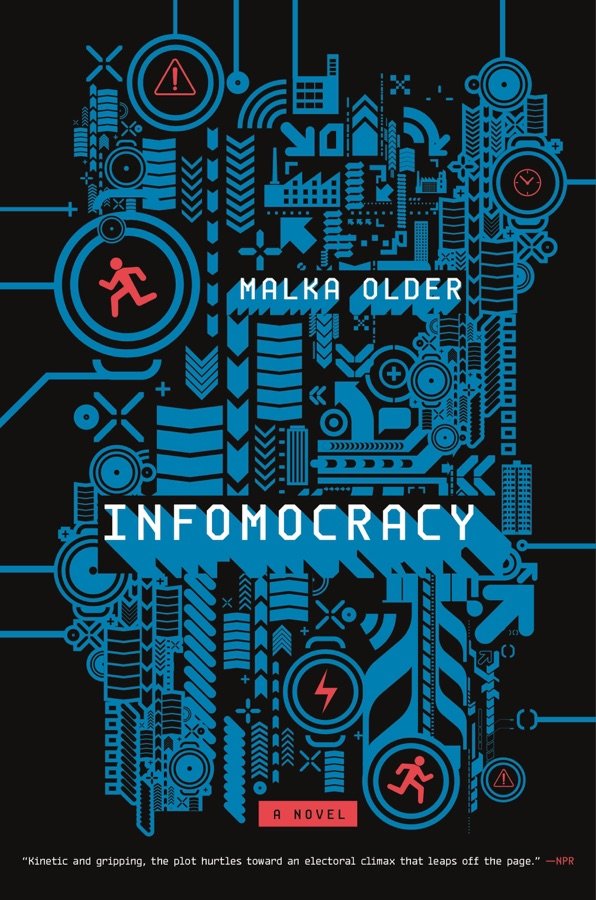
Malka Older updates classic cyberpunk anxieties for the algorithmic misinformation era, imagining a planet carved into tiny voting blocs overseen by an all seeing search engine monopoly called Information.
- Ending Verdict: Complete trilogy. Book 1 wraps up its election sabotage crisis cleanly while sequels Null States and State Tectonics finish the full Centenal Cycle.
- The Premise: As global micro democracies prepare for a contentious election cycle, idealistic researcher Mishima and corporate strategist Ken uncover a covert plot manipulating Information’s real time data feeds to steal entire centenals.
- Pacing and Editorial Critique: Fast, brainy post cyberpunk espionage that replaces dark rainy alleys with intense data warfare, media spin, and grassroots political tension.
8. Autonomous by Annalee Newitz (2017)
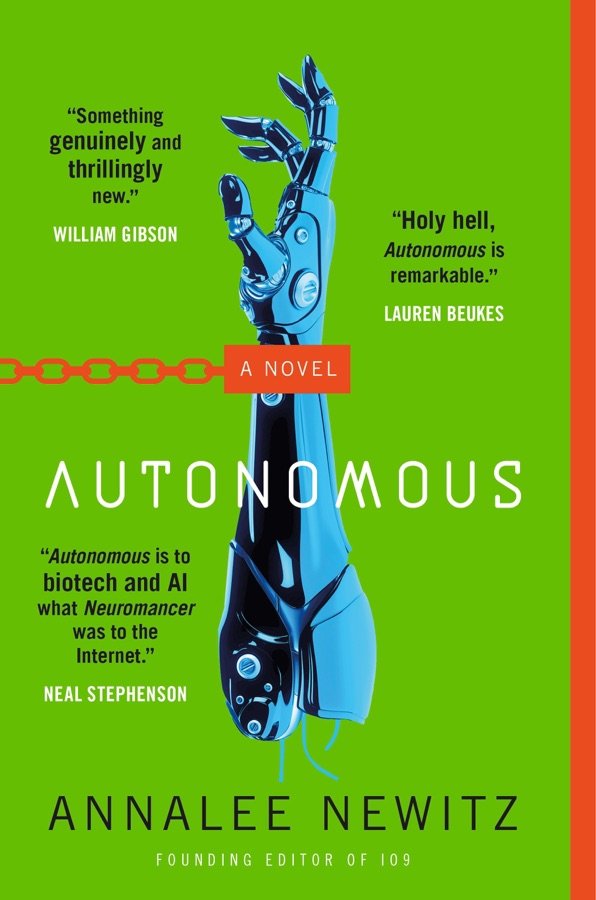
Science journalist Annalee Newitz brings sharp biological rigor to cyberpunk dystopia in Autonomous, turning patent locked smart drugs and indentured robot labor into a bleak moral mirror of modern pharmaceutical monopolies. I appreciated how Newitz anchors every chase scene inside real patent law rather than vague neon rebellion slogans.
- Ending Verdict: Complete standalone novel. Both Jack’s fugitive mission and Paladin’s struggle for artificial personhood reach firm closure in one book.
- The Premise: Pharmaceutical pirate Jack reverse engineers expensive brain enhancing drugs for poor workers until a bad batch triggers deadly addiction loops, drawing pursuit from corporate military agent Eliasz and his indentured combat bot Paladin.
- Pacing and Editorial Critique: Clean, biting, and briskly structured around two colliding perspectives that dissect intellectual property tyranny and corporate servitude.
9. Trouble and Her Friends by Melissa Scott (1994)
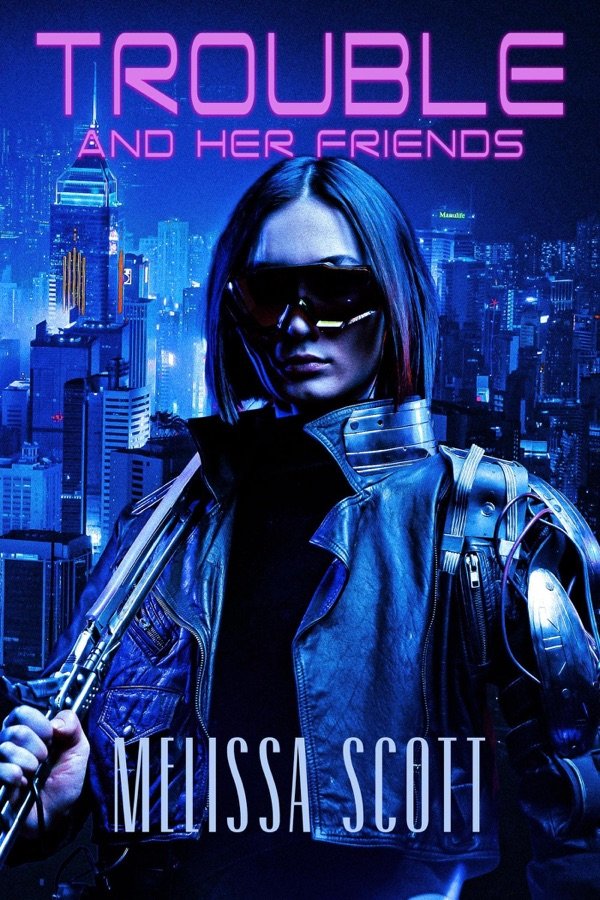
Winner of the Lambda Literary Award, Trouble and Her Friends shines a spotlight on queer outlaw netrunners navigating legal crackdowns on direct brainwalk cyber implants.
- Ending Verdict: Complete standalone novel. Every virtual identity confrontation and outlaw reunion wraps up cleanly in a single volume.
- The Premise: Years after new federal laws criminalized illegal brainworm neural interfaces, retired hacker India Carless returns to the virtual nets when an unknown imposter steals her alias Trouble to attack corporate systems.
- Pacing and Editorial Critique: Moody, textured, and grounded in working class tech craft, offering welcome character depth alongside gritty cyberspace chases.
Frequently Asked Questions
What is the best book to start with for cyberpunk dystopian sci fi?
Neuromancer by William Gibson is the foundational starting point for classic cyberpunk atmosphere and cyberspace heists. Readers who prefer faster comedic pacing and modern action often start with Snow Crash by Neal Stephenson or Altered Carbon by Richard K. Morgan.
What defines a cyberpunk dystopian sci fi novel?
Cyberpunk dystopias combine advanced technology like neural interfaces, artificial intelligence, and corporate networks with severe poverty, surveillance, and street level survival. Unlike hopeful space exploration stories, cyberpunk assumes private megacorporations replace democratic governments while ordinary citizens hack broken systems to survive.
What are the big three classic cyberpunk novels?
The essential classic cyberpunk pillars are Neuromancer by William Gibson, Snow Crash by Neal Stephenson, and Do Androids Dream of Electric Sheep by Philip K. Dick. You can compare how these cyber dystopias rank alongside climate and bunker survival classics in our main guide to the best dystopian sci fi novels.
What are some good modern cyberpunk books without 1980s clichés?
Infomocracy by Malka Older and Autonomous by Annalee Newitz deliver sharp modern cyberpunk grounded in algorithmic election warfare and biotech patent monopolies. Both update traditional neon noir anxieties for contemporary data and pharmaceutical capitalism.