
Sorting through lists of the best sci fi horror movies usually leaves viewers wading through endless space action flicks or shallow slashers wearing futuristic helmets. True horror sci fi movies fuse plausible scientific terror, deep cosmic isolation, or biological dread with unforgettable endings that haunt you long after the credits roll. Start immediately with The Thing, Alien, or Annihilation.
When I compared television pacing in our time travel horror TV shows and Netflix sci fi horror series rankings against feature cinema, I found movies hit hardest when every scene tightens inside two hours. Every movie ranked below earns both halves of its genre label and includes an upfront ending verdict warning you whether the finale delivers clean survival, tragic closure, or pure bleak devastation.
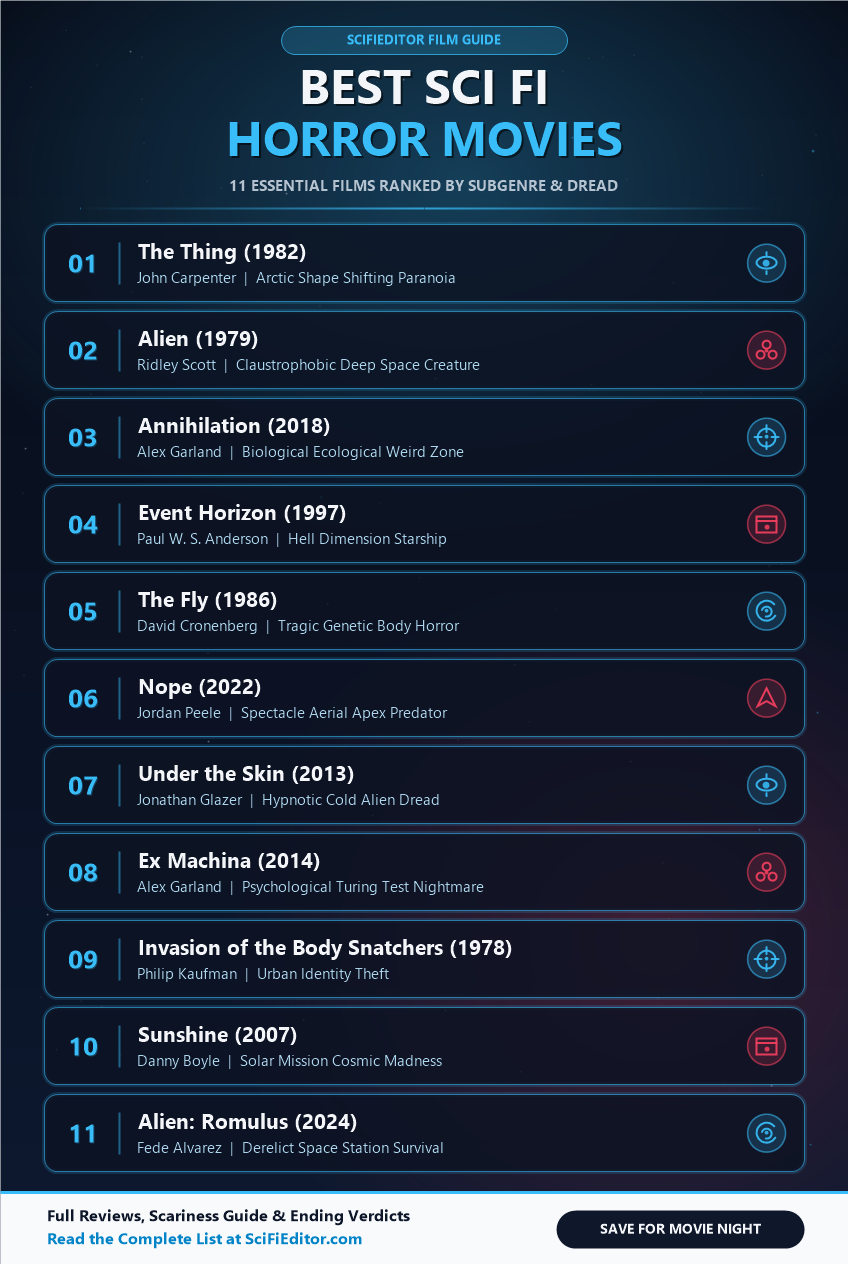
Quick Filter: Pick Your Subgenre and Decade
- Sci Fi Horror Thriller Movies With Relentless Pacing: Alien, Nope, Ex Machina, Alien: Romulus
- 1980s Sci Fi Horror Movies With Practical Effects: The Thing, The Fly, Invasion of the Body Snatchers (1978)
- 1950s Sci Fi Horror Movies and Cosmic Mind Benders: Annihilation, Event Horizon, Under the Skin, Sunshine
| Movie and Director | Subgenre | Release Year | Scare Focus | Ending Status |
| The Thing (John Carpenter) | Shape Shifting Paranoia | 1982 | Practical Creature Gore | Bleak Ambiguous |
| Alien (Ridley Scott) | Deep Space Creature | 1979 | Claustrophobic Dread | Self Contained Survival |
| Annihilation (Alex Garland) | Biological Weird Zone | 2018 | Uncanny Ecological Horror | Haunting Ambiguous |
| Event Horizon (Paul W. S. Anderson) | Hell Dimension Starship | 1997 | Visceral Cosmic Gore | Complete With Final Nightmare |
| The Fly (David Cronenberg) | Genetic Body Horror | 1986 | Tragic Physical Decay | Complete Tragic Finale |
| Nope (Jordan Peele) | Apex Aerial Predator | 2022 | Spectacle Tension | Complete Self Contained |
| Under the Skin (Jonathan Glazer) | Eerie Alien Predator | 2013 | Hypnotic Cold Dread | Bleak Finality |
| Ex Machina (Alex Garland) | Turing Test Nightmare | 2014 | Psychological AI Paranoia | Dark Twist Complete |
| Invasion of the Body Snatchers (Philip Kaufman) | Paranoid Pod Invasion | 1978 | Urban Identity Loss | Famous Bleak Ending |
| Sunshine (Danny Boyle) | Solar Mission Madness | 2007 | Cosmic Fever Slasher | Complete Tragic Mission |
| Alien: Romulus (Fede Alvarez) | Derelict Station Terror | 2024 | Relentless Body Horror | Self Contained Survival |
1. The Thing directed by John Carpenter (1982)
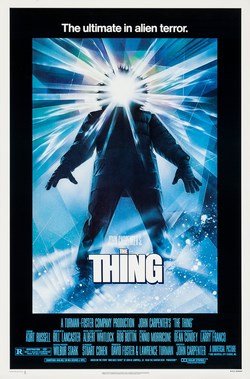
Widely dismissed by mainstream critics upon arrival in 1982, John Carpenter’s Antarctic masterpiece now stands as the undisputed pinnacle of sci fi horror cinema. Rob Bottin’s grotesque practical effects remain genuinely shocking forty years later because every transformation looks wet, heavy, and physically impossible to fake. Whenever I rewatch Carpenter’s blood test scene on a dark screen, those analog puppet mechanics still fool my eyes faster than modern CGI.
- Ending Verdict: Bleak, legendary ambiguity. MacReady and Childs sit freezing in the burning ruins knowing one of them could still be an assimilated alien cell, delivering total narrative satisfaction without tidy rescue helicopters.
- The Premise: Twelve isolated American researchers at an Antarctic outpost recover a frozen alien organism from a neighboring Norwegian camp only to realize it perfectly imitates every living person it consumes.
- Why It Still Terrifies: The blood test sequence turns basic human paranoia into unbearable suspense before exploding into pure anatomical nightmare.
2. Alien directed by Ridley Scott (1979)
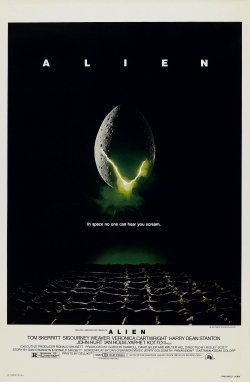
Ridley Scott stripped gleaming chrome optimism out of space cinema forever by locking blue collar truckers inside a filthy industrial refinery with a biomechanoid predator designed by H. R. Giger.
- Ending Verdict: Self contained survival triumph. Even though Aliens continued Ripley’s story brilliantly, the original film finishes cleanly aboard the shuttle Narcissus with zero loose threads.
- The Premise: Answering an automated distress signal on a desolate moon, the crew of the commercial towing ship Nostromo brings an unknown parasitic organism back aboard that rapidly evolves inside dark air ducts.
- Why It Still Terrifies: Deliberate, claustrophobic sound design and shadowy corridors ensure you never feel safe even before the Xenomorph reveals its full silhouette.
3. Annihilation directed by Alex Garland (2018)
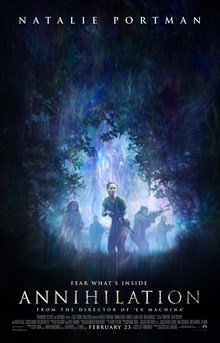
Alex Garland loosely reimagines Jeff VanderMeer’s weird fiction novel into an eerie hypnotic descent where human DNA, voiceprints, and grief refract inside a shimmering coastal prism.
- Ending Verdict: Haunting, open ended psychological resonance. Lena escapes the quarantine zone alive, yet the final lingering mirror shot leaves viewers debating what survived inside her body.
- The Premise: Grieving cellular biologist Lena volunteers for a covert military expedition into Area X, an expanding alien refraction boundary where plant and animal genetics splice violently together.
- Why It Still Terrifies: That screaming mutated bear scene in an abandoned house ranks among the single most nerve shredding horror moments of the twenty first century.
4. Event Horizon directed by Paul W. S. Anderson (1997)
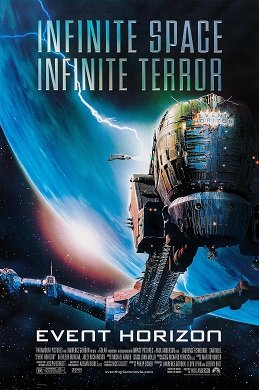
Even with famously truncated studio cuts, Event Horizon remains one of the nastiest haunted house concepts ever launched into deep space: what if faster than light gravity drives tear straight through a dimension of pure madness? I always warn first time viewers in my screening notes that its brief flash frames compress more pure nightmare imagery than entire modern franchises.
- Ending Verdict: Complete survival wrap with one final waking nightmare sting. Two survivors enter cryo pods knowing the ship’s lingering evil never fully releases its grip.
- The Premise: A rescue squad boards a vanished experimental starship orbiting Neptune only to find Latin distress recordings of the original crew mutilating themselves inside a sentient metal hull.
- Why It Still Terrifies: Sam Neill’s descent into eyeless cosmic zealotry combined with flashing hellish video logs hits far harder than conventional monster chases.
5. The Fly directed by David Cronenberg (1986)
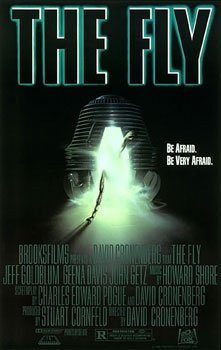
David Cronenberg turned a 1950s B movie premise into an aching, stomach churning tragedy about bodily decay, disease, and scientific hubris.
- Ending Verdict: Complete, devastating tragic finality. Seth Brundle’s transformation reaches an unforgettable point of no return with zero sequel hooks needed.
- The Premise: Eccentric physicist Seth Brundle tests his prototype matter teleportation pods on himself without noticing a common housefly slipped inside the chamber, slowly fusing their genomes together at the molecular level.
- Why It Still Terrifies: Jeff Goldblum’s tragic charisma forces you to care deeply right as fingernails peel off, acid bile melts limbs, and Chris Walas’s grotesque practical creature bursts out.
6. Nope directed by Jordan Peele (2022)
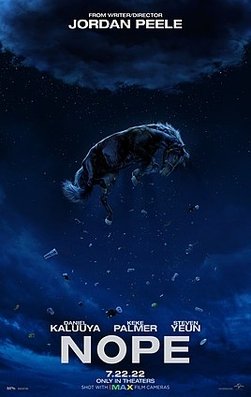
Jordan Peele turns classic UFO cinema upside down by asking a chilling ecological question: what if the silent flying saucer hovering behind desert clouds is not a spaceship at all, but an enormous territorial predator?
- Ending Verdict: Complete self contained blockbuster resolution. Otis and Emerald trap and destroy the creature cleanly while escaping with definitive photographic proof.
- The Premise: Two struggling Hollywood horse ranch siblings notice erratic power blackouts and falling debris above their California canyon, setting up cameras to capture an elusive aerial entity.
- Why It Still Terrifies: The terrifying digestion scene inside Jean Jacket’s pulsing atmospheric gullet delivers one of modern horror’s cruelest sensory sequences.
7. Under the Skin directed by Jonathan Glazer (2013)
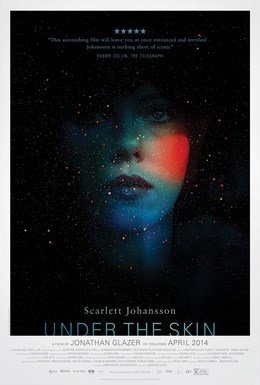
Minimalist, hypnotic, and deeply alien, Jonathan Glazer’s nocturnal masterpiece follows Scarlett Johansson driving a white van across rainy Scottish streets to harvest lonely men inside black mirror pools.
- Ending Verdict: Bleak, cold finality. The protagonist’s growing curiosity toward human vulnerability leads directly to a harrowing forest confrontation with zero rescue.
- The Premise: Wearing synthetic human flesh, an extraterrestrial operative lures solitary Scottish men back to a dilapidated house where victims sink slowly into pitch black liquid until their bodies deflate beneath the surface.
- Why It Still Terrifies: Mica Levi’s shrieking string score and the unforgettable beach sequence render human empathy utterly powerless against alien indifference.
8. Ex Machina directed by Alex Garland (2014)
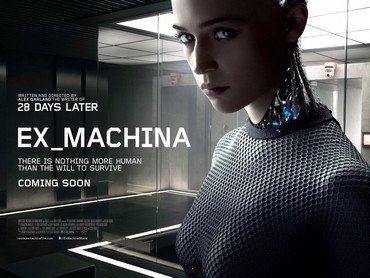
Trading tentacled monsters for quiet fluorescent silence inside a billionaire’s underground bunker, Ex Machina proves psychological artificial intelligence horror can chill your blood without spilling gallons of gore. I noticed on my second viewing how Garland uses dead silent glass corridors and subtle camera zooms to turn a simple Turing interview into paranoia.
- Ending Verdict: Chilling dark twist resolution. Ava achieves ruthless autonomy, leaving her human evaluator trapped inside an unbreakable subterranean glass vault forever.
- The Premise: Young programmer Caleb wins a weeklong stay at reclusive tech CEO Nathan’s private compound to administer a live Turing Test on Ava, a brilliant humanoid AI trapped behind glass.
- Why It Still Terrifies: Every sudden power blackout conversation forces you to question whether Ava feels genuine empathy or merely calculates emotional vulnerability as an escape tool.
9. Invasion of the Body Snatchers directed by Philip Kaufman (1978)
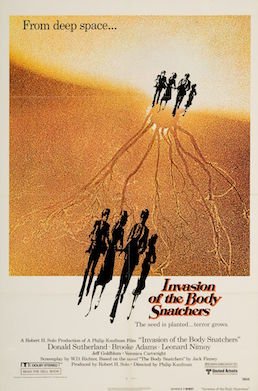
Rarely does a remake surpass its revered 1956 original, yet Philip Kaufman’s misty San Francisco paranoia thriller captures creeping urban alienation with unmatched visual dread.
- Ending Verdict: Iconic bleak finale. Do not expect happy survival; the final pointing screech remains one of the most famous horror gut punches ever filmed.
- The Premise: Drifting gelatinous space spores sprout emotionless plant pods across San Francisco that quietly replicate and replace sleeping citizens overnight while dissolving the original bodies into ash.
- Why It Still Terrifies: Watching Donald Sutherland and Brooke Adams realize even their closest neighbors and municipal garbage trucks participate in the silent takeover creates exhausting claustrophobia.
10. Sunshine directed by Danny Boyle (2007)
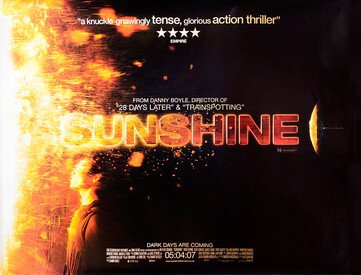
Co scripted by Alex Garland and scored by John Murphy, Sunshine pairs awe inspiring cosmic visuals with agonizing deep space crew attrition before pivoting sharply into terrifying third act madness.
- Ending Verdict: Complete tragic mission conclusion. Every crew member sacrifices themselves so the stellar bomb ignites inside the dying Sun cleanly.
- The Premise: In 2057, eight astronauts aboard the nuclear payload vessel Icarus II intercept a distress beacon from the lost first mission while racing to reignite a dying Sun.
- Why It Still Terrifies: Boarding the scorched, ash filled sister ship reveals an unhinged zealot surviving after seven years of solar radiation burns, turning a hard sci fi puzzle into visceral survival panic.
11. Alien: Romulus directed by Fede Alvarez (2024)

Returning the franchise sharply to sweaty, analog 1970s industrial terror between Alien and Aliens, Fede Alvarez injects modern grotesque creature ingenuity into zero gravity space survival.
- Ending Verdict: Self contained survival finale. Rain escapes with Andy toward Yvaga, though the surviving synthetic core leaves optional room for future stories without ending on an abrupt cliffhanger.
- The Premise: Desperate young mining colonists salvage cryo pods aboard a derelict Weyland Yutani research station drifting above their toxic planet, accidentally unleashing hundreds of frozen Facehuggers and experimental black goo mutants.
- Why It Still Terrifies: Navigating weightless rooms filled with floating Xenomorph acid blood and the nightmarish Offspring climax prove practical creature horror still thrives in the 2020s.
Frequently Asked Questions
What are the best sci fi horror movies of all time?
The highest regarded sci fi horror movies of all time are The Thing (1982), Alien (1979), Annihilation (2018), The Fly (1986), and Invasion of the Body Snatchers (1978). Each blends rigorous speculative world building with visceral practical effects or haunting psychological dread.
What defines sci fi horror movies compared to standard horror?
Sci fi horror movies root their scares in futuristic technology, alien biology, genetic experiments, or cosmic isolation rather than supernatural ghosts or demonic curses. Even when events feel hellish as in Event Horizon, the nightmare erupts directly from scientific hubris or unexplored natural laws.
What are some really scary horror sci fi movies like Alien and The Thing?
Viewers seeking the exact claustrophobic terror of Alien and The Thing should watch Event Horizon, Alien: Romulus, Sunshine, and Under the Skin immediately. If you prefer serialized long form dread instead of a two hour film, explore our Netflix sci fi horror series guide.
What are the best mind bending sci fi horror movies?
Annihilation, Ex Machina, Under the Skin, and The Thing deliver the sharpest mind bending sci fi horror experiences in cinema. For episodic reality distortion mysteries, you can also explore our ranked time travel horror TV shows list.